

























































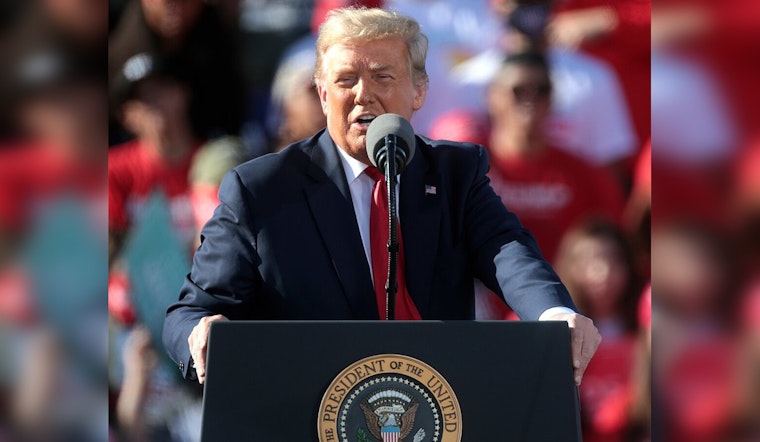
The Trump administration has sparked controversy by moving to block states from excluding medical debt from consumer credit reports. The new federal change challenges existing state laws, such as the Minnesota Debt Fairness Act, which was implemented last year and prevents medical debt from impacting Minnesotans' credit scores. This act, supported by Senator Liz Boldon (DFL – Rochester) and Representative Liz Reyer (DFL – Burnsville), aimed to protect consumers, particularly in light of the fact that one in five U.S. households is saddled with medical debt.
Despite the acknowledgement from the Consumer Financial Protection Bureau that medical debt can lower credit scores by an average of 20 points, the Bureau was dismantled in 2025 by Elon Musk. Prior to its disassembly, the agency reported that removing this type of debt from credit reports could result in approximately 22,000 additional mortgage approvals each year. Locked out of crucial financial opportunities, people with medical debt, through no fault of their own, find it harder to achieve financial stability.
"No one plans on long hospital stays. No one plans on having a sudden medical emergency," said the Senate DFL publication by Representative Reyer. "That’s why medical debt isn’t the same as other types of debt, and it shouldn’t be treated as such." Her colleague Senator Boldon added, referring to recent federal decisions which have seen a rise in insurance rates and no extension of premium tax credits: "The timing of this preemption is especially cruel."
Facing insurmountable medical costs, Minnesotans are now caught between a rock and a hard place. As healthcare becomes more unaffordable due to policy failures at the federal level, including the refusal by Republicans in Congress to extend key financial support mechanisms for healthcare premiums, the Trump administration seems to prioritize the demands of Wall Street. As Senator Boldon told the Senate DFL publication, "now he is bowing to the demands of billionaires on Wall Street at the expense of Minnesotans." This tug of war between state and federal provisions reflects a broader national debate about the integrity of consumer protections in the face of mounting medical expenses.





.jpg)