

























































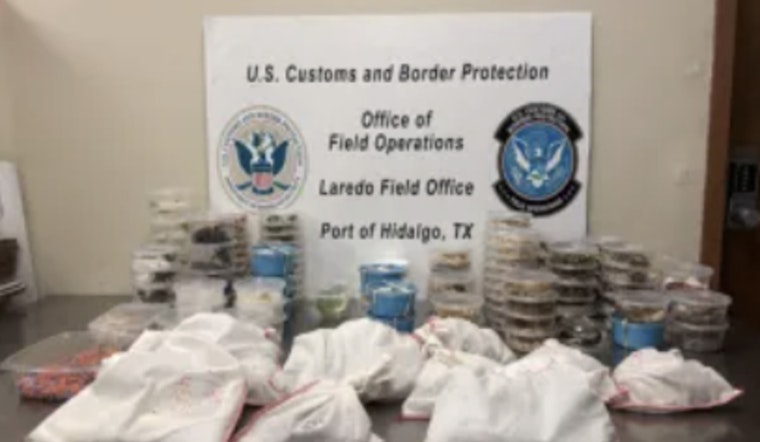
In a significant operation at the Anzalduas International Bridge, U.S. Customs and Border Protection officers intercepted a shipment containing a trove of reptiles and arthropods, highlighting the ongoing struggle against the illegal trade of exotic animals. According to CBP, the seizure included over 160 different species, ranging from royal pythons to tarantulas, all concealed within a vehicle bound for Mexico.
According to the CBP, the discovery unfolded during a routine outbound enforcement operation when officers selected a silver Toyota truck for further inspection. "The smuggling of exotic pets has been on the rise in our area," Carlos Rodriguez, Port Director at the Hidalgo/Pharr/Anzalduas Port of Entry, spoke of their partnership with the U.S. Fish and Wildlife Service to protect these creatures. Attempting to depart the U.S., the driver of the vehicle found themselves under scrutiny as the CBP officers uncovered the hidden cache of animals.
Among the species seized were green anoles, spotted salamanders, a range of python varieties, and even a lone Indian Star Tortoise. Officers took custody of the vehicle, while Homeland Security Investigations special agents arrested the driver, launching a criminal investigation. The U.S. Fish and Wildlife Service was given custody of the reptiles and spiders, ensuring their safety following the incident.
Officials remind that lawful importation and exportation of wildlife require adherence to several federal requirements, including the completion of proper documentation and compliance with both U.S. and Mexican authorities. Anyone considering such activities should be aware of the user fees and licenses needed, as well as restrictions placed by the Convention on International Trade in Endangered Species. Holding the driver accountable, the U.S. Fish and Wildlife Service stepped in to take care of the reptiles and spiders.
For those seeking more information regarding the legal processes involved in wildlife trade, the FWS provides necessary import and export forms. Furthermore, the integrity of the global ecosystem depends on strict regulations like these and the dedicated enforcement efforts of agencies working at ports of entry across the nation.




