

























































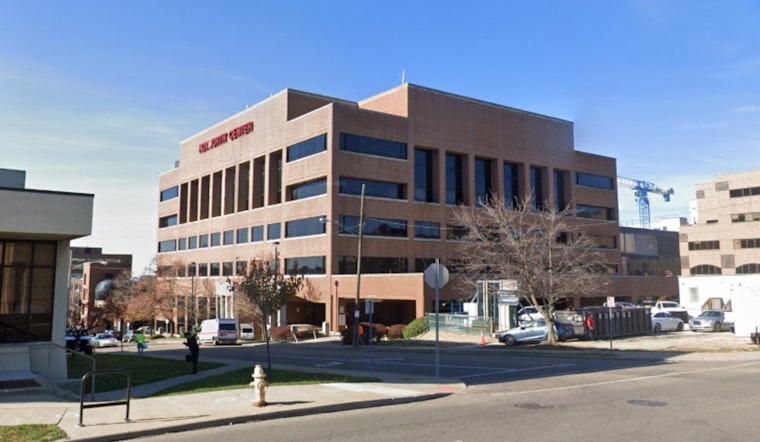
The University of Cincinnati Cancer Center's Blood Cancer Healing Center (BCHC), which began treating patients in July 2024, has emerged as a national example of how design and construction can work hand in hand to serve patients and aid research. Before its clinical operations began, the project encountered three years of meticulous planning and some stumbling blocks, but the outcome is seemingly unified under one purpose: patient-focused healthcare.
Now, with its latest addition, research and integrative health spaces set to be finalized this season, team members from different disciplines have come forward to speak on what it took to bring this project to life. According to a release from the University of Cincinnati, stakeholders that include the Cancer Center itself, UC Health, architectural firm Champlin | EOP, and construction company Skanska shared insights at both the Healthcare Facilities Symposium & Expo in September, and latterly at the Healthcare Design Expo + Conference held yesterday in Kansas City.
This innovative project began back in June 2021, transforming the former Shriners Hospital into a full-fledged blood cancer center. Its objective was to embrace the triad of academic medicine: patient care, incorporating research, education, and training. Prior to its redevelopment, critical contributors to cancer care and survivability, such as patients, physicians, educators, survivors, and researchers, were dispersed — inhibiting synergy and community growth. By centralizing these components, the BCHC is promoting a streamlined, collaborative environment.
Now in the BCHC, the exchange between these different but overlapping spheres of healthcare is promised to be as simple as an elevator ride — connecting people who would otherwise work in islands of separation. This design intends to foster relationships and a sense of community that is anticipated to enrich the patient experience and stimulate advancements in both education and research in the realm of blood cancer treatment and care.





