

























































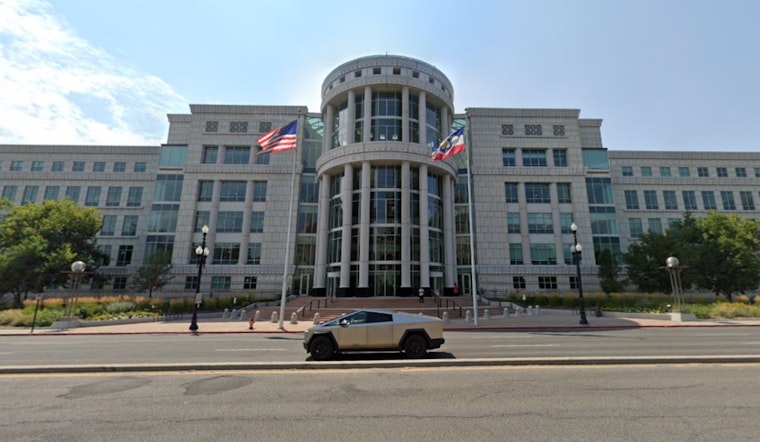
The landscape of legal licensure in Utah just saw a significant shift with the Utah Supreme Court's approval of a revolutionary new rule. As reported by the Utah State Bar, starting next year, aspiring attorneys can skip the traditional bar exam and instead show their readiness to practice law through a hands-on, skills-based pathway.
Under Rule 14-703A, law school graduates will now have the opportunity to become licensed attorneys by completing 240 hours of supervised legal practice, law school-required skills coursework, and a written performance exam. The new rule responds to calls for a more practical approach to lawyer training that still maintains stringent standards. Elizabeth Wright, Executive Director of the Utah State Bar, highlighted the effort to diversify licensure options, stating, "We were keenly aware that one size doesn’t fit all, and providing an option equips those who excel outside of a traditional exam with practical skills for a successful career in the legal profession," as per the Utah State Bar.
The Bar Admissions Working Group, comprised of judges, practitioners, and academics, was behind the push for this innovative model. They advocate for this approach as research suggests that skills-based assessments may better predict a lawyer's success than standardized tests. "This is not about making it easier to become a lawyer," Utah Supreme Court Associate Chief Justice and Working Group Chair, John A. Pearce, emphasized in a statement obtained by the Utah State Bar, "It’s about making it smarter."
This alternative method, opening for applications on January 1, 2026, coexists with the current Uniform Bar Exam (UBE) and the forthcoming NextGen Bar Exam set to launch in July 2028. The aim is to offer choices that cater to different learning styles, financial situations, and career paths. During a public commentary period, the initiative received praise for its focus on real-world application, which potentially enhances public protection and access to justice. Many submissions affirmed the judiciary's move towards a model that fosters immediate practical experience.





