

























































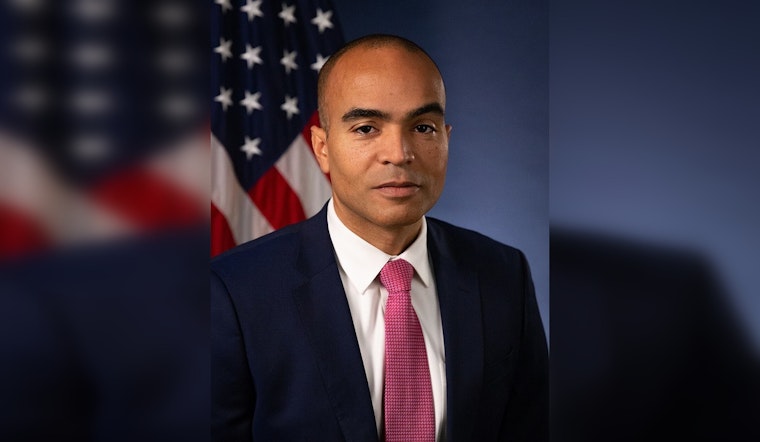
Washington State is on track to elevate its government transparency after Attorney General Nick Brown put forward proposed amendments to the public records rules. In response to concerns about delayed access to public records, these changes could be a significant shift towards openness. "We welcome the public's input into these model rules aimed at helping agencies across the state increase transparency and responsiveness to requests," said Brown, as reported by the Attorney General's office.
The call for updated rules initiated from a collective outcry by news organizations last year, which highlighted "extreme backlogs" in processing public records requests. Now, the Attorney General's Office, after collaborating with media leaders and open government proponents, suggests a two-track system for managing requests. The proposed changes, aim to categorize incoming inquiries as simple or complex, tackling disproportionate delays head-on.
Furthermore, the emphasis lies also on providing records promptly, particularly when the request is actively for a single, identifiable document. As per the proposed rules, carrying through with third-party notices only happens when an agency firmly believes the records fall under exempt status. In essence, these recommendations strive to refine the process, making it less cumbersome and more aligned with the public's right-to-know.
With the ultimate goal being enhanced accessibility, the drafted rules advocate for the digitization and readiness of public records. They also propose closure letters to confirm complete processing, a nudge from a recent court decision, to commence the one-year judicial review period. The public has a vested interest in these proceedings, which will be dissected during a hearing on Nov. 6, from 3 p.m. to 5 p.m. at the John A. Cherberg Building, detailed by the Attorney General's office.
After a formal rulemaking period that involved consultations and an informal process, these proposed changes are now in the spotlight. The initiative is not detached from the roots of the Public Records Act of 1972, which is founded on the notion that "the people of this state do not yield their sovereignty to the agencies that serve them," Attorney General's office. It is the AGO's continuous endeavor to not only safeguard this ethos but to enforce laws across consumer protection, civil rights, environmental protection, and more. For more details on the services AGO provides, visit their website.





