

























































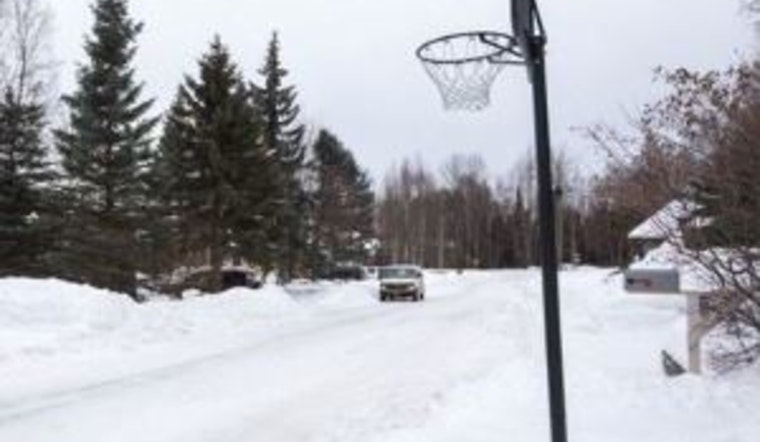
The streets and sidewalks, those shared spaces that bear the brunt of our daily travels, ask for a small consideration from the community. As noted by the City of Apple Valley, obstructions in public rights of way—typically extending 13-15 feet into front, side, or rear yards from the curb—are not merely inconveniences but are prohibited. A recent statement from the City of Apple Valley cautions residents against leaving items that are not explicitly allowed, like portable basketball hoops and refuse containers, in these areas.
It's happening more often that these obstructions appear, impeding not only street sweepers and emergency access but also the simple act of walking or driving. Reported in an alert by the city, these obstructions antagonize our shared sense of community, claiming right-of-way areas for personal use where, by ordinance, they should remain clear. Left unchecked, imagine a snowplow's blade meeting an unnoticed basketball hoop buried under a fresh snow—both equipment and municipal budget could suffer.
Winter poses its own particular challenges, as highlighted by the city's public notice. When the snow falls and blankets the streets, it's crucial that pathways remain clear for the snow removal efforts. Residents are implored to think of the greater good—remembering the hindrance that mislaid hockey nets or dumpsters can cause.
Doing our part is not a Herculean task. The city gently reminds us that playing equipment should be removed from rights of way and that trash receptacles ought to find their homes behind the curb line. Even flexible dumpsters have their place, and it's certainly not on the sidewalk blocking the path of pedestrians. With a simple adjustment, every resident can contribute to the seamless operation of a community in motion.
Enforcement isn't just a looming threat but a necessary function of community order. For those who have witnessed an impediment or are unsure about the rules, Apple Valley has a line open. By contacting Code Enforcement at 952.953.2570 or emailing [email protected], residents can either clarify their own standing or report a neighbor's encroachment. The streets belong to all, and it's this shared custody that requires vigilance, a collective upkeep to ensure the thoroughfares remain, above all things, common.





