

























































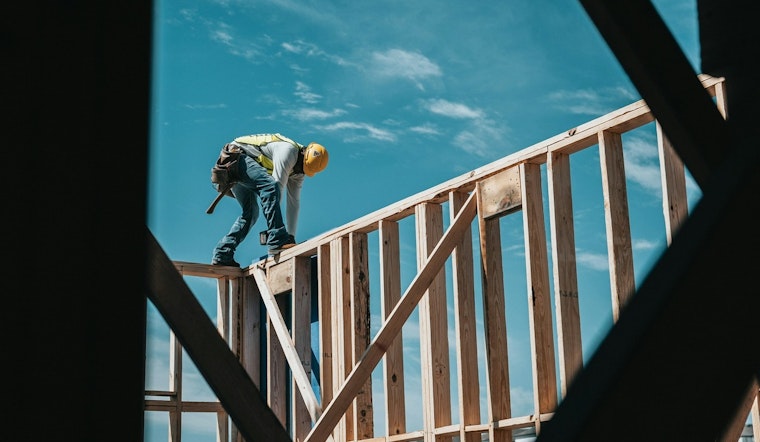
Arizona Attorney General Kris Mayes issued a stark warning to Arizonans about the dangers of home construction scams in a recent statement. As reported by the Arizona Attorney General's Office, Mayes's cautionary words follow the prosecution of a provider scamming Tucson residents, having conned them out of $75,000 through unfinished home improvement projects. "Home improvement projects can be expensive, and with families struggling with just basic costs of living, I can understand why Arizonans may be tempted by a cheaper offer when faced with home construction needs," Mayes was quoted as saying. "But if you are diligent on the front end, you can save yourself a world of hurt on the backend."
Mayes emphasised the reliability of Arizona's 60,000 licensed contractors, advising consumers to prioritise hiring legitimate vendors for their home improvements. Despite many homeowners being challenged by the prospect of a more cost-effective offer, the Attorney General advocated for diligence before making any commitments. Meanwhile, Arizona Registrar of Contractors' Director Tom Cole emphasised the importance of consequences for fraudsters in the construction industry, thereby enhancing consumer protection efforts. "Collaborating with prosecuting authorities such as the Arizona Attorney General allows the Arizona Registrar of Contractors to ensure that fraudsters and thieves in the construction industry face real consequences, reinforcing the agency’s role as a strong consumer protector," Cole told the Attorney General's Office.
Attorney General Mayes and the Arizona Registrar of Contractors provided several tips to help residents avoid falling prey to deceitful schemes. Crucial to these recommendations is verifying a contractor's licensing status with the Arizona Registrar of Contractors. One can double-check the legitimacy of any contractor by visiting the agency's website or by making a phone call. Avoiding upfront payments is another pivotal piece of advice, with suggestions including the use of a credit card for added transactional security.
To assist in the identification of deceitful contractors, several warning signs were outlined. Individuals and entities knocking on doors, claiming to be in the area and looking for business, or pressuring homeowners to make a fast decision, were red flags highlighted by Mayes. Additionally, she noted that scam contractors might discourage getting multiple quotes and could push for payments in cash, gift cards, or direct payment methods like Zelle. In an effort to further educate and protect homeowners, Mayes advised getting multiple estimates and insisted on the importance of signing a contract, which should include thorough details about the work involved and should adhere to Arizona statutory law.
Victims of fraud, whether by licensed or unlicensed contractors, are urged to file a complaint with Arizona's Registrar of Contractors. For additional recourse, scams can be reported to the Federal Trade Commission and tracked through the Better Business Bureau's Scam Tracker. These preventative measures and reporting options help to create a safer, more trustworthy marketplace for both legitimate contractors and Arizona homeowners.





