

























































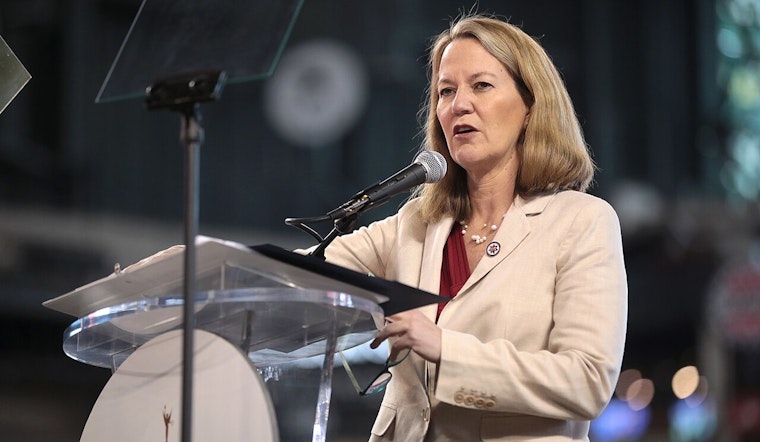
Attorney General Mayes, alongside a coalition of 20 plaintiffs, has taken legal action against the U.S. Department of Housing and Urban Development (HUD), accusing the agency of illegal modifications to the Continuum of Care grant program. As the official press release notes, HUD's abrupt policy shift is poised to drastically cut funds intended for permanent housing, putting numerous Arizona residents at risk of homelessness. Disrupting the HUD’s long-established practices, the changes not only undermine the support for those in need but also enforce controversial stipulations as a precondition for funding, a move widely criticized for its potential ramifications.
Eschewing incremental changes that would allow service providers to adapt, HUD's overhaul threatens to throw the system into disarray. The new rules, according to Mayes, "will push even more into homelessness, straining our local resources and making it harder for providers to serve some of the most vulnerable people in our state." With its focus shifted, HUD now requires that residents accept services before qualifying for housing. Critics argue that such conditions, which could undermine individuals' dignity and independence, are in direct opposition to the "Housing First" model long championed by HUD.
Historically, Continuum of Care funds would guarantee nearly 90% of their annual budget towards supporting permanent housing. However, the new policy slashes this allocation by two-thirds for grants commencing in 2026. This sudden pivot not only challenges the security of current housing projects but also heralds the potential eviction of formerly homeless individuals, as HUD significantly reduces the amount of funds designated for project renewals.
To compound these concerns, HUD has indicated plans to discriminate in its funding allocations, withholding resources from applicants that recognize trans and gender-diverse individuals and those that prioritize mental health or substance-use disorders. These discriminatory practices, flagrantly at odds with previous guidance, have been categorically denounced by the coalition. “These unlawful drastic changes to long-standing HUD policies passed by Congress will push even more into homelessness,” Mayes said in the press release. The lawsuit, accordingly, claims HUD overstepped its bounds by failing to follow proper rulemaking procedures and by imposing conditions that lack congressional sanction.
The legal action, initiated by Attorneys General Nick Brown, Letitia James, and Peter Neronha, seeks to reverse HUD's contentious policy adjustments. Filed in the federal District of Rhode Island, the lawsuit has garnered support from multiple states and key political figures, highlighting the widespread concern over HUD's shift in housing assistance policy. This united response underscores the potential threat these changes pose to the already fragile safety net intended to protect America's most vulnerable populace.





.jpg)