

























































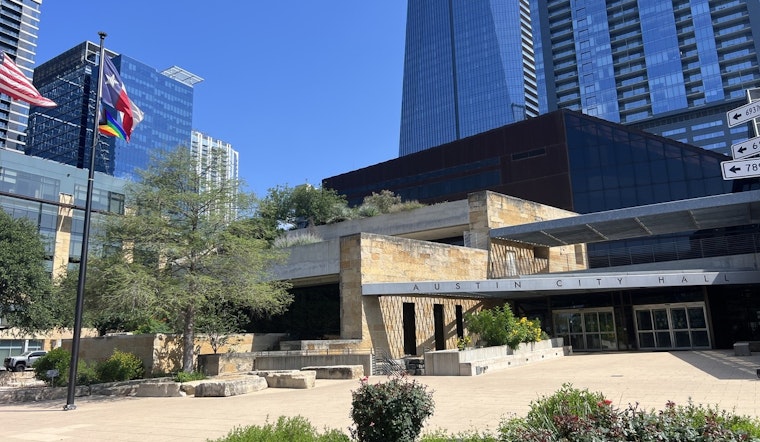
Austinites faced a stark revelation as city leaders and community members converged on Monday night to delve into the nitty-gritty of a delicate budget revision process, following the rejection of Proposition Q. The dismissed property tax rate hike, which was expected to pad the city's coffers with an additional $110 million, prompted these intense discussions. A community listening session became an outlet for residents to voice concerns, demanding a higher degree of transparency from the city on fiscal matters, and to critique past funding allocations, as reported by CBS Austin.
Striving to bridge the trust deficit, local officials underscored the significance of public dialogues. District 7 Council Member Mike Siegel articulated the urgency of rethinking priorities, cautioning that without the funds from Proposition Q, fiscal challenges would mount in the years ahead. "A lot of people just could not afford Prop Q. Period," lamented an anonymous meeting participant, according to CBS Austin. This sentiment echoed across the meeting room as many Austinites expressed their inability to shoulder the additional tax burden. Siegel, in a statement obtained by CBS Austin, shared concerns over city spending priorities, particularly when it comes to big construction projects at the expense of the community's well-being.
The revised budget will require the city to carve out a significant $110 million, with cuts already proposed across various social service contracts and departments including public health. Mayor Pro Tem Vanessa Fuentes told CBS Austin, “We have been diligently working on the budget. For us moving forward, it’s important that we root our budget in feedback directly from our communities.”
Meanwhile, a legal snag arose last week when the city was accused of infringing a new state law that mandates heightened transparency for budget meetings. The city’s failure to provide the necessary documents for a scheduled meeting resulted in a postponement. City Manager T.C. Broadnax recognized the importance of regaining public trust, suggesting to KUT that "we are willing to take additional steps to achieve that goal." Since the complaint, the city has updated its website with a link to the proposed amended budget and attached the necessary documents for public review.
The public safety sector is poised to necessitate careful consideration, with potential reallocations in the cards to prop up emergency services grappling with staffing and budget issues. According to KUT, James Monks, president of the Austin EMS Association, highlighted the essential need to "maintain what we have in our service to the community". The City Council aims to finalize the amended budget by week's end, with a vote that could occur as soon as Thursday.



