

























































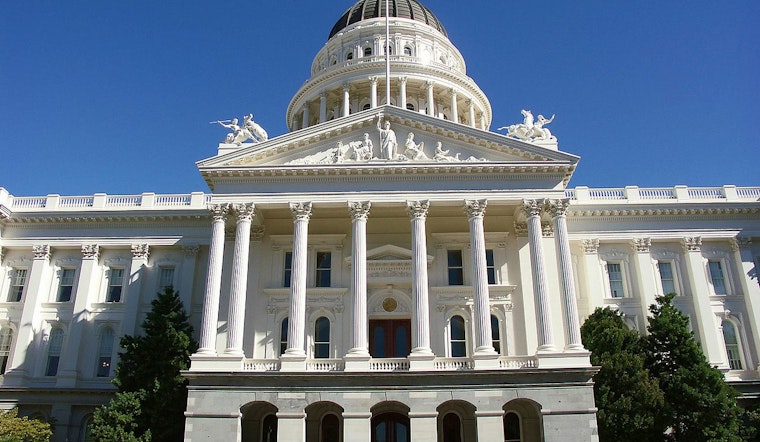
As the world gears up for COP30 in Brazil, California has come forward with news that seems to set the bar higher for climate action progress. According to a recent statement from Governor Gavin Newsom, California's greenhouse gas emissions experienced a significant drop of 3% in 2023, while the state's economy continued to grow. Such a decrease aligns well with California’s climate action ambition and contrasts sharply with the federal government's attitudes towards such efforts.
With the latest data being part of the California GHG Emissions Inventory, the 21% emission reduction since the year 2000 has been deemed equivalent to taking nearly 22.9 million cars off the roads annually. Governor Newsom, ahead of his trip to the Climate Change Conference, emphasized, "Today’s milestone once again confirms that bold climate action can deliver real results," demonstrating a blend of economic expansion and responsible environmental stewardship. This news emerges amidst sustained, if not growing, opposition from Republican and industry critics who eye California's policies with skepticism and at times, outright resistance.
In a showing of renewable energy prowess, the state was powered by two-thirds clean energy in 2023, running on 100% clean electricity during parts of almost every day this year. Moreover, California marked a surge in zero-emission vehicle (ZEV) sales, hitting record numbers despite federal pushback, with ZEVs making up 29.1% of the state's new car purchases in the third quarter of 2025, as mentioned in the Governor's announcement. These achievements align with the state's broader climate mission and reflect consumer appetite for cleaner transport options.
Transportation continues to play a pivotal role in these reductions, evidenced by a record low in emissions from cars and light-duty pickup trucks, despite there being a 1% increase in vehicle miles traveled. According to Lauren Sanchez, Chair of the California Air Resources Board, "California’s climate pollution is falling even as our economy grows — a powerful testament to the strength of our programs." The commitment is further solidified by upcoming regulatory updates and continued investment in renewable energy and other pollution-curbing initiatives.
Aside from the transportation wins, the electricity sector hit its lowest carbon intensity since records began, as per the state's inventory, driven by policies like the Cap-and-Invest Program and the Renewables Portfolio Standard. However, the residential and commercial sector saw a rise in emissions, largely because of an increase in the use of residential fossil gas, likely caused by a colder winter. These nuanced fluctuations speak to the complexity of California's climate puzzle—a puzzle the state seems determined to resolve. As California leads, perhaps, the rest of the nation might indeed find it worth their while to take note and follow suit.





.jpg)