

























































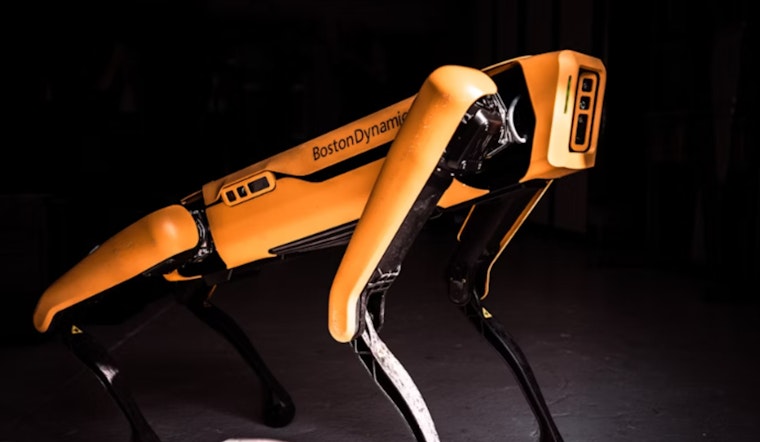
In mid-October, Caltrans told state transportation commissioners that its new robot dog had He actually caught somebody. after hours. However, the footage and the agency’s report show a different situation. The Spot unit, equipped with a camera, recorded a person looking through gates at a San Bernardino maintenance yard. The report states the individual went into trucks and toolboxes but did not appear to damage or take anything.
What The Video Shows
As reported by Sacramento Bee, Caltrans’ acting chief data and AI officer, Dara Wheeler, told the California Transportation Commission on October 16, "He actually caught somebody." during a demonstration. A Caltrans spokesperson later said the clip, recorded between March 8 and September 8, 2024, shows someone looking through the shop’s gates while wearing a badge, and no crime occurred.
How Caltrans Is Using Spot
Wheeler framed Spot as a multi‑use tool at the commission meeting: a legged robot to keep workers out of risky places like culverts and bridge inspections, and to handle after‑hours patrols at a maintenance station. Insider GovTech covered the October 16 presentation and noted Caltrans is exploring how AI and robotics could be embedded into devices and inspection workflows through several pilot projects. Wheeler also cautioned that the tech is expensive, so use cases need clear return‑on‑investment.
What The Department’s Report Actually Says
Caltrans’ internal report — reviewed by the Sacramento Bee — says the agency bought two Spot robots and equipped both with Asylon “PupPack” security payloads for a pilot at San Bernardino’s Shop 8. The report lists the Asylon deployments at about $142,000 for two units over six months, running roughly 112 hours per week, and contrasts that to an annual cost of about $110,000 for a single onsite human guard at Shop 8. It also notes the robots aren’t fully autonomous and were teleoperated by a paid operator — a reminder that these patrols still rely on human labor and monitoring.
What PupPack Adds
Vendor materials describe the PupPack as a security suite — thermal and high‑definition optical cameras, encrypted communications and an onboard AI/ML processor — that turns Spot into a persistent surveillance node rather than an independent law‑enforcement agent. Asylon says the combined DroneDog + PupPack unit weighs more than 70 pounds and is built to be monitored and controlled from a remote operations center, which tracks with Caltrans’ treatment of the system as teleoperated.
Why The Claim Matters
The episode shows the difference between a brief statement and the actual evidence. Insider GovTech reported that Dara Wheeler said AI and robotics could improve safety and efficiency if agencies collect real data before expanding expensive pilots. Caltrans said it is still evaluating how Spot and similar tools can be used in highway work and is reviewing footage, costs, and success benchmarks.





