

























































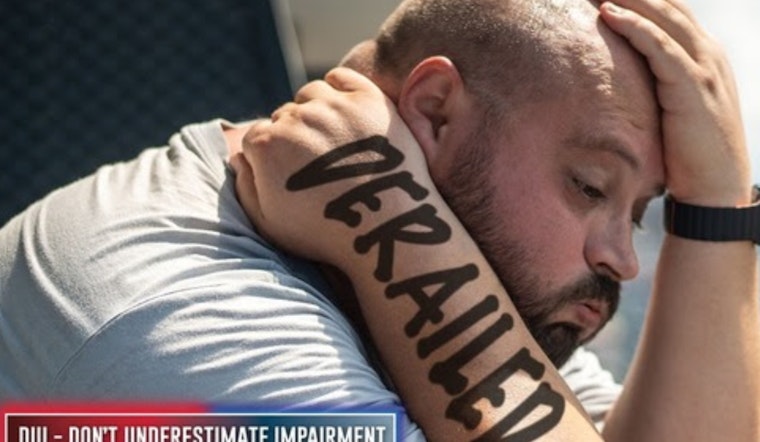
The Colorado State Patrol is taking a firm stance against driving under the influence, especially as we head into the holiday season, warning drivers not only of the dangers of DUI but also the compounded consequences of refusing a chemical test. According to the Colorado State Patrol, drivers who deny a chemical test when suspected of impairment face lengthier license revocations, mandatory interlock ignition devices post-reinstatement, and higher insurance premiums.
These warnings come in the wake of Col. Matthew C. Packard, chief of the Colorado State Patrol, reiterating the state's stance, "When a person refuses, this driver can receive additional penalties, and your refusal could work against you even further as you go through the court process," as per the Colorado State Patrol. As highlighted by the Colorado State Patrol, a first offense results in an escalated license revocation from 9 months to a full year; additionally, refusing the test triggers an interlock ignition requirement for two years following the return of driving privileges, and this is just the onset of a slew of forthcoming difficulties for drivers who choose to rebuff the protocol.
The campaign "Don’t Underestimate Impairment" is the Colorado State Patrol's initiative to remind drivers, during festive occasions when alcohol consumption spikes, of the grave repercussions that impaired driving holds not just in terms of potential accidents, but also for the legal consequences that follow a DUI or DWAI conviction. Refusing a toxicology test can also lead to being classified as a Persistent Drunk Driver (PDD), which carries additional financial surcharges intended to support victims of crime and their families.
Besides having to navigate the complexities of interlock devices and the stigma of being branded a PDD, those who bypass a chemical test will likely be subject to the SR22 insurance requirement, an expensive proof of insurance mandated for high-risk drivers. SR22 premiums are significantly more expensive than those of standard car insurance, and must be carried for a designated period. This requirement is reflective of a legal system that strives to incentivize responsible driving practice by enhancing the stakes for those who choose otherwise.





