

























































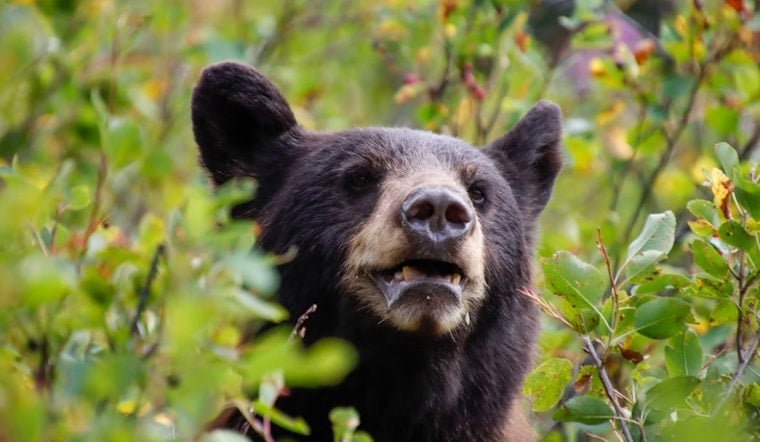
A bear wandered into a home in Mount Crested Butte and unintentionally started a fire in the kitchen, according to the Crested Butte Fire Protection District. Firefighters contained the flames to the kitchen, and no injuries were reported in the blaze.
The incident, first reported by The Denver Post, unfolded in Mount Crested Butte, a town located roughly four miles north of the historic mining town of Crested Butte at the base of the ski resort. Fire district officials attributed the fire to the bear itself, though the animal's presence in the kitchen — like so many bear-related break-ins this year — points to a larger crisis playing out across Colorado's mountain communities. In the wake of the fire, officials urged residents to clean up outdoor grills, secure food and trash, and lock doors and windows while away or asleep, warning that people should never attempt to remove a bear from a home on their own.
A Record-Breaking Year for Bear Conflicts
The Mount Crested Butte fire lands amid what is shaping up to be Colorado's worst year on record for human-bear conflicts. Colorado Parks and Wildlife logged 6,129 bear sightings and conflict reports statewide between January 1 and August 13, according to reporting on the statewide surge — nearly double the 3,115 reports logged over the same stretch in 2025 and already well past the entire 2025 total of 5,299. CPW has tracked bear reports through its statewide digital system since 2019, giving wildlife officials a clear baseline for just how unusual this summer has been.
Severe drought, thin mountain snowpack, and wildfires have wiped out much of the wild berry crop that bears rely on, according to KRDO. With natural forage scarce in the high country, hungry bears are pushing into residential mountain towns like Mount Crested Butte in search of food. The station reports that drought has stunted the shrubs bears depend on for essential nutrition heading into fall.
Western Colorado has felt the spike acutely. Mesa County alone recorded 257 bear conflict reports between April 1 and August 7, compared with just 28 over the same period in 2025, per The Cool Down. Early snowmelt and drought caused mountain food sources to ripen prematurely or fail outright, the outlet notes, compounding the shortage bears now face.
Late Summer Marks the Start of Hyperphagia
Late August also marks the onset of hyperphagia, the biological phase in which black bears can spend up to 20 hours a day searching for food to build fat reserves before winter hibernation, according to Unofficial Networks. Inadequate nutrition during this window can even impair bear reproduction and cub survival the following spring, the outlet reports. That drive to feed, combined with the depleted natural food supply, helps explain why kitchens — full of grease, trash, and lingering food odors — have become such powerful attractants this summer.
Mount Crested Butte police were already grappling with the problem before the kitchen fire. In July, officers responded to a separate incident in town, helping guide a bear out of a resident's home and issuing a public advisory urging homeowners to lock doors and secure food, according to the department's account carried by CBS Colorado. Officers used non-lethal encouragement to get that bear to leave on its own.
Kitchen Foraging Poses a Known Fire Risk
Bears accidentally triggering kitchen appliances while foraging is a documented, if rare, hazard in mountain resort towns. In August 2025, a black bear entered an unoccupied home in South Lake Tahoe, California, through a window and accidentally turned on a gas stove while searching for food, according to the California Department of Fish and Wildlife, as detailed in earlier Hoodline coverage; firefighters had to shut off the gas line to prevent a structure fire. Patrol officers in Pine Mountain Club, California, reported a similar entry this August in which a bear climbing onto a stove accidentally rotated two burner knobs, letting propane flow freely, per the group's Facebook post. Local patrols there recommend scrubbing stovetops to eliminate food odors that draw bears inside.
Colorado's legal landscape around these encounters has also shifted this year. A new state law changed the standard for bear-feeding violations from intentionally feeding to knowingly leaving food, trash, or attractants accessible, according to CBS Colorado, allowing wildlife officers to cite residents without proving intent. Advocacy groups cited by the outlet note that simple habits, like locking bear-resistant trash bins, significantly reduce the odds of a conflict.
How Wildlife Officers Decide a Bear's Fate
Colorado Parks and Wildlife policy calls for non-lethal hazing tools — loud noises, rubber bullets, and taser audio — to frighten habituated bears away from homes before relocation or lethal measures are considered, according to the agency's guidance cited in prior Hoodline reporting on a Breckenridge break-in. Under CPW policy, a bear that injures a person is subject to mandatory euthanasia and forensic DNA testing, while non-injurious break-ins like the one in Mount Crested Butte are evaluated case by case based on the animal's level of habituation. No human injuries occurred in the Mount Crested Butte kitchen fire, and it remains unclear whether wildlife officers identified or trapped the bear involved, or whether the home was occupied or a short-term rental at the time.





