

























































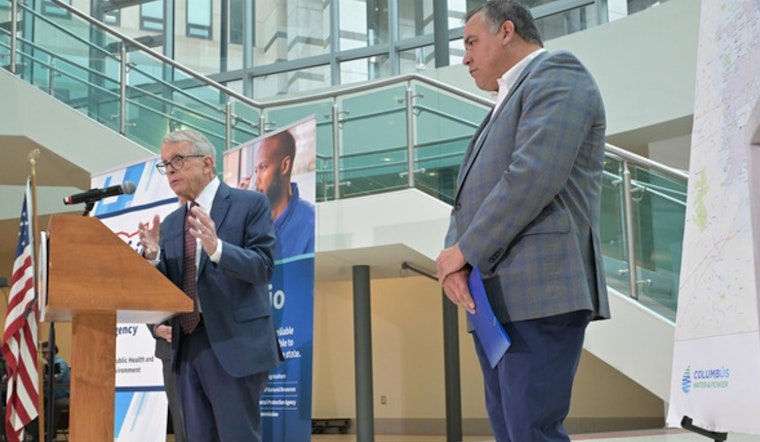
In a move to safeguard the youngest inhabitants of Columbus, Ohio, the state's H2Ohio initiative has granted $500,000 to replace lead and galvanized water lines at childcare facilities within the city, as announced by Ohio Governor Mike DeWine, Columbus Mayor Andrew Ginther, and Ohio EPA Director John Logue. This action aligns with the statewide campaign to eliminate lead pipes, a project that has already made progress in other Ohio cities like Cleveland, Cincinnati, and Toledo.
Funds from the initiative are directed towards mitigating the potential health risks for children under six who are particularly susceptible to the effects of lead poisoning despite Columbus Water & Power's efforts to ensure low risk of lead contamination through water treatment technology, Ohio Governor Mike DeWine explained that "the only way to truly ensure zero risk is to remove the lead at its source" but also recognizing the need for a broad approach as communities aim to uproot the entirety of lead piping throughout the state. Mayor Ginther also underscored the significance of this financial gesture for both public and private childcare providers, issuing gratitude towards the Ohio EPA for its commitment to eradicating a possible contaminant for the city's youth and families, affirming "While there is no detectable lead in the drinking water delivered to our customers, the service line replacement project helps us eliminate a potential source of lead exposure to our children and all families in the city."
With similar projects in the works thanks to prior H2Ohio funding, Columbus's initiative is part of a broader, concerted effort to remove the spectre of lead exposure from environments that cater to the developmental stages of children. Highlighting the vulnerability of the demographic, the city and state officials are establishing a precedent for addressing infrastructure issues with the health and safety of at-risk populations at the forefront.
The H2Ohio program was first developed in 2019, and since then, it has been proactively working to improve water quality across Ohio. The collaboration between the state and the City of Columbus provides a blueprint for other cities seeking to prioritize public health when it comes to young children and the environments where they learn and play. As Columbus undertakes the process of revamping its childcare facilities' service lines, it stands as a testament to the state's ongoing investments in public health infrastructure aimed at fostering safer conditions for future generations.





