

























































A grass-roots campaign to track down DNA from relatives of sailors lost on the USS Arizona says it has finally hit the number that could force the Pentagon to crack open scores of “unknown” graves at Honolulu’s National Memorial Cemetery of the Pacific.
Organizers say a recent surge in family DNA submissions means the project has now met the Defense Department’s long-standing requirement for launching a formal effort to identify the Arizona’s unknown dead, a threshold that has kept the ship’s missing largely frozen in bureaucratic limbo for decades.
Kevin Kline’s volunteer group, Operation 85, now has family reference samples for 661 of the ship’s missing crew members, a tally reported by the Arizona Daily Star. Kline and his team argue that figure clears the Pentagon’s percentage bar for launching identifications, and they say they officially crossed that line last month, according to the Arizona Daily Star.
The Defense Department has set a requirement that DNA be on file for roughly 60% of the Arizona’s unrecovered crew before it will consider disinterring remains from the Punchbowl. That translates to about 643 families, though Navy officials have at times floated a higher number. Stars and Stripes has detailed those figures and the internal wrangling over where the threshold really sits, and highlighted a 2022 Navy feasibility study that projected the work could cost millions of dollars and drag on for years. “We’ve done this in under two years,” Kline told Stars and Stripes, pointing to how quickly a determined group of volunteers has moved compared with official timelines.
How New DNA Tools Blew Open The Donor Pool
One big reason the numbers suddenly work: military labs have started accepting newer SNP-based autosomal DNA tests that allow more distant relatives, including those related only on a paternal line, to serve as usable family reference samples. That is a game changer for cases involving extremely degraded and commingled World War II remains.
Operation 85 and genetic experts say the expanded testing menu greatly increases the odds of finding matches for the Arizona’s dead. The group argues that this shift, as mentioned by Operation 85, marks a turning point not just for this ship, but for any Pearl Harbor identification effort that had previously run into a wall because close relatives were no longer alive.
What Operation 85 Plans To Demand From The Navy
Armed with its new numbers, Operation 85 says it is ready to push senior Navy and Defense leaders to greenlight an official identification project for the unknown Arizona casualties buried at the Punchbowl. Volunteers say they have been quietly doing the groundwork for months: collecting DNA samples, confirming family trees and funneling documentation to the services’ casualty offices.
Now, they argue, the math and the science line up, and the Pentagon no longer has much cover to stay stuck in the “study phase.” The group wants the Defense POW/MIA Accounting Agency and the Navy to move from feasibility reports to actual case work, including possible disinterments. Planning for that lobbying blitz, including meetings with top Navy officials, is already underway, according to the Arizona Daily Star.
The campaign also carries a very local weight. Tucson reporting has highlighted the story of James Randolph Van Horn, who was 17 when he died on Dec. 7, 1941, and is believed to be the only Tucsonan killed aboard the Arizona. Organizers say stories like that keep volunteers digging through archives and phone books long after the work stops being glamorous. Their focus is squarely on the graves at the National Memorial Cemetery of the Pacific, not on the wreck itself; supporters stress that any identifications would involve replacing the word “UNKNOWN” on headstones, not disturbing the sunken ship, as noted by the Arizona Daily Star.
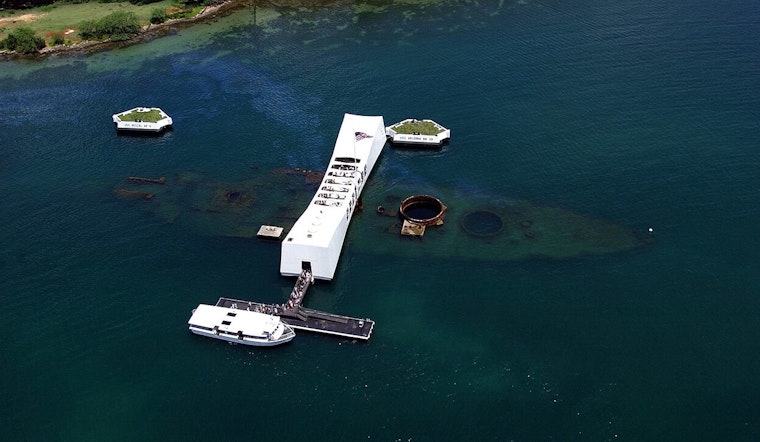
The USS Arizona remains a recognized war grave. The National Park Service notes that more than 900 crew members are still entombed in the ship’s hull, and the memorial that spans the wreck is not part of any proposed exhumation effort. National Park Service material underscores how many of the ship’s dead will forever rest aboard, a reality families often cite when explaining why they want the military to focus on naming those buried in the Punchbowl rather than disturbing the wreck itself.





.jpg)