

























































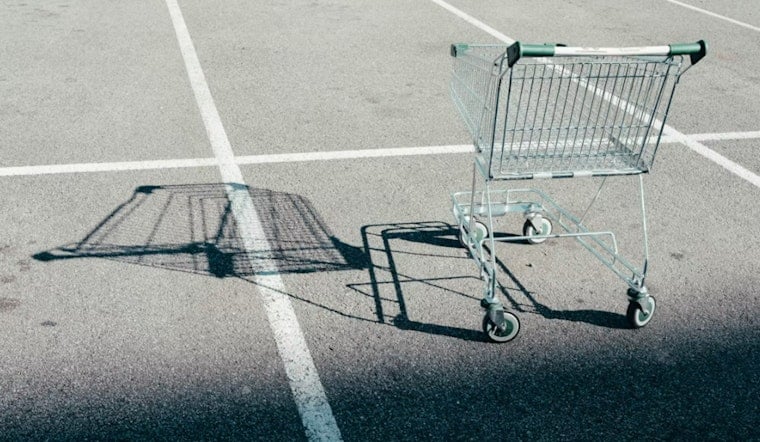
Honolulu City Council members voted this month to advance a bill that could fine homeless residents up to $2,000 or jail them for as long as 30 days simply for using a shopping cart outside store property. Bill 53 cleared its first reading on August 12, setting off a heated debate over whether the measure targets a public nuisance or criminalizes poverty itself.
According to Honolulu Civil Beat, Oʻahu has more than 2,300 people living on the streets, many of whom rely on shopping carts to move and store their belongings. Council Chair Tommy Waters, who introduced the bill, said the measure is needed to curb shopping cart theft and abandonment. The legislation would also allow city crews to confiscate carts found outside retail premises, and it drew support from council members Val Okimoto, Scott Nishimoto, Matt Weyer and Augie Tulba during the first-reading vote.
Not every council member signed on without hesitation. Esther Kiaʻāina and Radiant Cordero both voted aye with reservations, while Tyler Dos Santos-Tam was absent from the vote, the outlet's report notes. The split reflects broader unease over a bill that pairs criminal penalties with a problem many see as rooted in the city's housing shortage.
Retailers Say Losses Are Piling Up
Retail Merchants of Hawaiʻi has said shopping carts are valuable business property that can cost hundreds of dollars to replace, and industry figures cited in Honolulu legislative documents show why store owners are pushing for action. Before Bill 53 was introduced, the city's Department of Facility Maintenance was retrieving an average of 350 carts a month, or roughly 4,200 a year, while a single Kakaʻako retailer, Down to Earth, reported losing about 100 carts annually worth $35,000. Dave Erdman has said retailers consider carts stolen once they leave store property and are not returned, and Tim Gary has said those losses contribute to rising grocery prices.
A Walmart in Kapolei took a different approach in 2024, hiring a man who offered a private shopping cart retrieval service rather than relying on city crews or law enforcement. That kind of market-based fix has drawn interest from Honolulu officials exploring city-land leasing agreements to help with cart collection and storage, according to the same account.
Environmental and Safety Concerns Cited by Supporters
Supporters of Bill 53 point to more than dollars and cents. Honolulu Police Maj. Paul Okamoto has said shopping carts contribute to public safety and health issues, and the bill's backers note that abandoned carts can obstruct sidewalks, block access to transit and make it harder for wheelchair users to get around. Environmental cleanup documentation submitted to the city council found 24 abandoned carts alongside hundreds of pounds of trash pulled from a single Waipahu drainage canal, while heavy storm runoff in Kāhala routinely flushes carts onto Kāhala Beach.
The Honolulu Police Department currently has limited ability to penalize people for possessing shopping carts unless retailers themselves pursue theft cases, a gap Bill 53 is designed to close. The city already enforces a Sidewalk Nuisance Ordinance and Stored Property Ordinance under Chapter 29 of the Revised Ordinances of Honolulu, which let crews impound personal items left on public property and charge a $200 fee, or a fee waiver, to reclaim them. Those civil tools have not stopped the flow of abandoned carts into waterways and sidewalks, which is part of why council members are now considering criminal penalties instead.
Advocates Warn the Bill Punishes Poverty
Jonathan Huynh testified against Bill 53, saying it seems to jail people for being poor. Critics argue the bill fails to address the root causes of homelessness and would disproportionately affect homeless residents who rely on shopping carts to get by. Angie Knight has said unsheltered people rely on the carts to move and store their belongings, and advocates note that homeless residents have few alternatives for storing their possessions.
One unnamed homeless man objected to the proposed confiscation of his cart, and a separate homeless man observed by the outlet said his cart helps him stay upright. People using shopping carts on the street often struggle with mental illness, substance abuse or other challenges requiring professional support, according to the report, underscoring advocates' argument that fines and jail time do little to address underlying needs.
Unhoused residents on Oʻahu have few legal places to store belongings, relying largely on specialized day-use facilities such as the Pūnāwai Rest Stop in Iwilei, which offers temporary lockers, showers and laundry service, according to the Hawaiʻi Department of Human Services. That storage shortfall helps explain why shopping carts have become an essential survival tool even as city leaders move to restrict their use.
The Cost of Jailing People Over Carts
Hawaiʻi is one of the most expensive states in the country for incarceration, with inmate housing translating to more than $300 a day, or around $112,000 per year, per person. That price tag has fueled skepticism about whether jailing people over shopping carts would save the city money at all, even if it succeeds in getting carts off the streets.
Bill 53 arrives amid a broader, if uneven, shift in Oʻahu's homelessness numbers. The Partners in Care Point-in-Time Count released in May found the island's total homeless population topped 4,500 people, with unsheltered homelessness down 20% since 2024 even as the sheltered population rose 35%, according to a separate Civil Beat report. Meanwhile, state lawmakers have floated a different fix: House Bill 1636, passed by the Hawaiʻi House earlier this year, would have required counties to set up cart collection lots and charge retailers a $500 buy-back fee per returned cart rather than fining businesses directly, according to Aloha State Daily.
The push to regulate abandoned carts on Oʻahu is not new. A 2008 state bill, HB 2784, sought to give county refuse divisions explicit authority to confiscate carts and charge store owners $50 repossession or $100 recycling fees, per the Hawaiʻi State Legislature. Nearly two decades later, the city is still working out who should bear the cost of a cart left on the street, and Bill 53 now heads toward further council review with its 180-day compliance window for retailers still ahead.




