

























































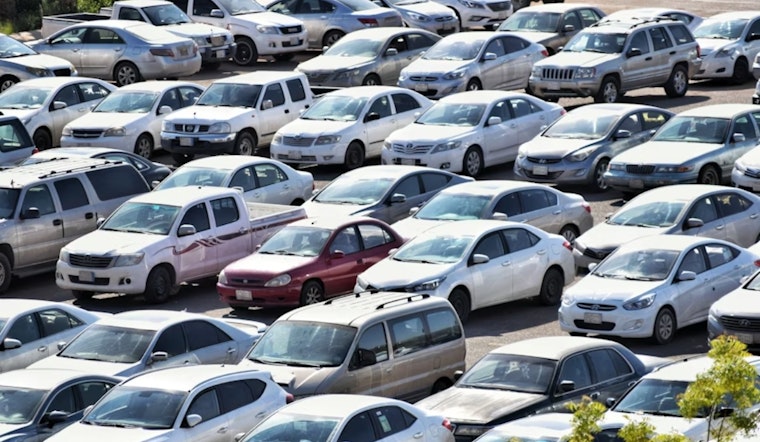
Encinitas officials have decided the city will not fully bankroll its safe parking lot, setting up a six-month lifeline instead and leaving Jewish Family Service scrambling to figure out what happens after that period ends.
Council Offers A Short-Term Deal
On Wednesday, the City Council agreed to offer Jewish Family Service a six-month contract and approximately $150,000 to continue operating the overnight safe-parking lot at the Encinitas Community and Senior Center through 2026. That covers about one quarter of the nonprofit’s $610,000 request for a full year of operations, which included a detailed budget of $291,562 for program salaries and $173,468 for on-site security, according to The San Diego Union-Tribune.
Jewish Family Service told council members that its current one-year regional grant expires on Dec. 31, creating a looming funding gap unless the city’s short-term deal is finalized. City staff stated that the lot typically operates at approximately 65 percent occupancy, serving residents from Encinitas as well as neighboring communities.
Debate At The Dais
The vote was anything but calm. Councilmember Luke Shaffer blasted the $610,000 proposal as “highway robbery,” and several colleagues signaled they would rather direct outreach and navigation work to other providers, such as the San Diego Rescue Mission, The San Diego Union-Tribune reported.
JFS representatives countered that they have already started steering new applicants to other safe-parking sites, warning that staff positions are at risk if the money dries up before new regional awards arrive, which are not expected until mid-2026.
How The Overnight Lot Works
The Encinitas safe-parking lot is an overnight-only program, generally open from about 6 p.m. to 7 a.m. Participants, who are screened before entry, receive a place to sleep in their vehicles, on-site security, access to restrooms, and case management aimed at helping them transition into housing. Jewish Family Service has operated the 25-space site since 2020, and the program is tailored to people who are working or otherwise off the streets during the day, as reported by The Coast News Group.
Local reporting and program data have shown that many participants arrive from nearby cities rather than long-term local encampments, which has fueled arguments over which jurisdictions should pay for the service. Coverage by Voice of San Diego describes the model as a way to help the so-called “hidden homeless” avoid falling into chronic homelessness while they search for more stable housing options.
What Comes Next
The council instructed city staff to return with final contract language and to outline potential paths for longer-term support. For now, the six-month bridge is the only concrete outcome. In the background, city officials and regional partners continue to work on establishing a more coordinated system through shared data tools and navigation networks.
Jewish Family Service continues to operate other safe-parking locations across the county as new regional grants and broader funding decisions play out. For a wider look at how those sites fit into the county’s homelessness response, see reporting from KPBS.



