

























































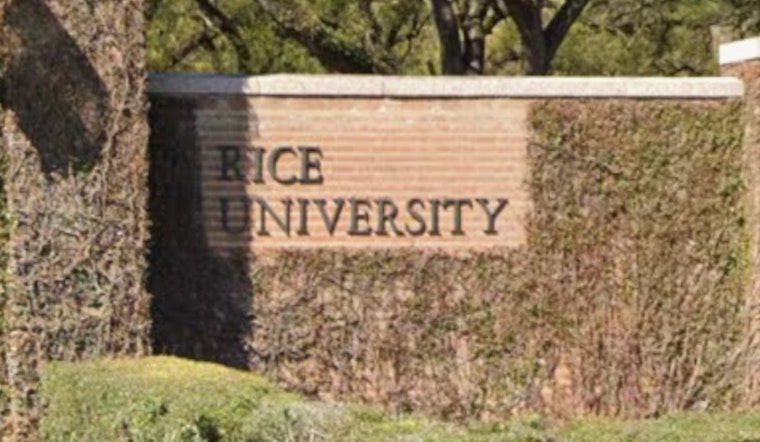
In Rice Village, four people approved more than $430 million in public borrowing. The bonds will fund a new Rice Village Management District, which can pay for upgrades to streets, water systems, and recreational areas. The borrowing could be repaid through a property tax of up to $1.50 per $100 of assessed value within the district.
How four ballots approved $430 million
According to Houston Chronicle, only four people voted in this month's election for the Rice Village Management District. Harris County registration records showed 12 residents were eligible to weigh in, but at least six no longer live in Texas. One of the four voters opposed all five bond propositions, yet a simple majority was enough for the package to pass.
Sanjay Bapat, the attorney for the district, told Houston Chronicle that Rice Real Estate Co. is expected to front the money for initial improvements and then be reimbursed using the district's future taxing power. It is an arrangement that ties a private, for-profit arm of Rice University to a public revenue stream approved by a handful of voters.
How the district was created
The Houston City Council formally consented to the creation of the Rice Village Management District in March, with planning documents describing a footprint of roughly 28.7262 acres within city limits, as mentioned by the City of Houston. After that, petitioners filed with the Texas Commission on Environmental Quality, and the agency published notice of the petition in the Texas Register.
City records emphasize that management districts can issue bonds only after voters approve them and that Houston does not assume responsibility for any district debt. Translation: the district gets a taxing tool, but the city keeps its distance if the math does not work out.
Rice's Gateway and what the bonds will pay for
On November 6, Rice University rolled out its $120 million Gateway Project, aimed at modernizing Rice Stadium and building a pedestrian street that links the campus directly to Rice Village, as reported by Rice University. On the public side of the ledger, voters signed off on bond categories that include $161.33 million for water and sewer projects, $106.13 million for recreational facilities and $171.75 million for roads, along with authority to set a property tax rate as high as $1.50 per $100 of assessed value, as per Houston Chronicle.
All five members of the district's board are affiliated with Rice University, and the university's for-profit Rice Real Estate Co. owns most of the land in the district. Some residents are paying close attention to the overlap between university interests, development plans, and a public taxing district.
Why some neighbors worry
Local religious and community leaders say they are staying engaged but cautious. Rev. Amandus Derr of Christ The King Lutheran Church, whose property sits inside the management district, has described ongoing communication with developers, and church documents show the congregation has participated in property-management discussions in the area, as noted by Christ The King Lutheran Church.
Observers argue that a public taxing authority, shaped in part by a major private university and approved by only four voters, raises basic questions about accountability and representation. When a multi hundred million dollar plan hinges on such a tiny electorate, people naturally want to know who is really steering the ship.
What happens next
The Rice Village Management District still has several regulatory and procedural hurdles to clear before any large-scale tax collections or bond issuances begin. The City of Houston's consent documents point out that the district may issue bonds only under certain conditions, and the Texas Commission on Environmental Quality's petition process provides a layer of state oversight that will shape future tax and borrowing decisions.
District leaders have said they expect construction and upgrades to move forward once financing and approvals are firmed up, and they do not intend to start at the maximum tax rate. For now, Rice Village residents are left to watch how far those four votes will stretch.





