

























































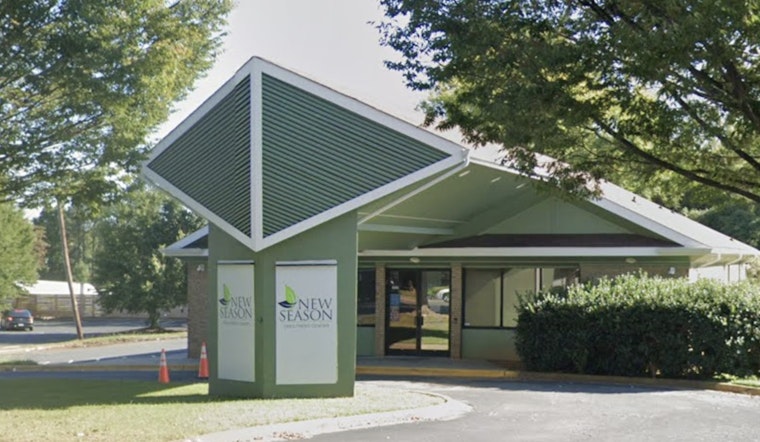
North Carolina has launched its second Mobile Opioid Treatment Program (OTP) in Greensboro, operated by New Season Treatment Center. The program provides Medication-Assisted Treatment (MAT), which combines medication, counseling, and peer support, to help individuals with opioid use disorder. According to NCDHHS, the mobile unit is designed to reach underserved areas in Greensboro and the Triad region.
NCDHHS Deputy Secretary for Health Debra Farrington stated in a press release, "We are committed to meeting people where they are on their journey to recovery." The new mobile unit, which began operating on November 13, is designed to address the challenges faced by rural and underserved urban areas with limited treatment resources. Farrington added, "We are grateful for partnerships with New Season Treatment Center and others that increase access to care and ensure everyone who needs treatment can receive it in the setting that is right for them."
The Greensboro mobile OTP operates as an extension of New Season’s Greensboro Treatment Center and offers Medication-Assisted Treatment (MAT) as well as telehealth services. The unit will be hosted by Bethel African Methodist Episcopal Church at 200 N. Regan St., Monday through Friday from 6 – 10:30 a.m. Matthew Ruffner, New Season Senior Regional Director of Operations for the Carolinas, highlighted the shared mission between New Season and the church to serve the community.
The launch of the Greensboro mobile OTP, modeled after a similar program in Portland, Oregon, in summer 2024, aims to address gaps in treatment access, particularly for individuals with transportation challenges. Matthew Ruffner of New Season noted, "This will help serve individuals in need, remove barriers and impact the community. We hope to add additional stops as we get going and established so we can serve more individuals in the community," according to a statement obtained by NCDHHS.
North Carolina plans to expand its mobile OTP initiative with up to six additional units expected to launch by mid-next year, funded by Hurricane Helene relief efforts. These units, managed by various healthcare organizations across different counties, aim to increase access to opioid use disorder treatment. Additional units in Raleigh and Charlotte are also under review.





