

























































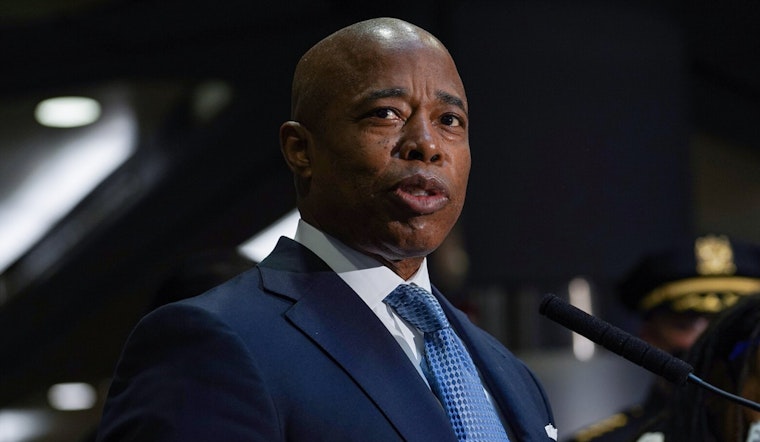
In the face of a protracted federal government shutdown that has left nearly 1.8 million New Yorkers without their usual SNAP benefits, Mayor Eric Adams has unveiled a series of public-private initiatives designed to bridge the gap and provide some relief to those affected. Beneficiaries of SNAP, a lifeline for many to access food, have found themselves in limbo as federal funds have dried up, with the USDA yet to release emergency funds despite orders from the court. To mitigate the situation, Mayor Adams has spearheaded the collaboration with local organizations and philanthropic entities to ensure continued support for those in need, according to the NYC Mayor's Office.
Last week’s judicial orders directing the federal government to release emergency funds for SNAP benefits in November have not yet been carried out. As reported by the NYC Mayor’s Office, Mayor Adams has partnered with the New York Community Trust, United Way, and the Partnership for New York City to create a support network for vulnerable residents. The effectiveness of this initiative during a time of financial strain remains to be seen, but the spirit of solidarity remains strong amid adversity. “When New Yorkers support one another in times of need, we become a better city,” Mayor Adams said, reflecting on his own experiences with community support during difficult times.
Amid this crisis, the public-private initiatives laid out by Mayor Adams include contributions from various organizations, some of which are: the New York Community Trust deploying its Community Needs Fund to channel funds to local nonprofits, City Harvest stepping up its food rescue operations, and the Food Bank for NYC continuing to partner with hundreds of community-based organizations to distribute food across all five boroughs. Additionally, Lemontree is providing grocery and meal aid, while the United Way of New York City's Emergency Assistance & Community Needs Fund is propping up critical services hosted by community organizations, meanwhile, The Roundtable: Allies for Food Access is supporting smaller pantries by reducing costs, advocating, and providing resources for front-line providers.
The halt in SNAP funding has had a significant impact on New York City’s safety net and local economy. According to the USDA, every dollar spent on SNAP generates about $1.54 in community returns, meaning the loss of these funds also affects the city’s economic activity. In response, the city has expanded its efforts to help residents access food and has shared a list of available resources for those most affected by the pause in benefits.
Despite the challenges caused by the federal funding delay, city officials, community organizations, and private donors continue to work together to support New Yorkers facing food insecurity. Contributions to these efforts are welcome and do not involve any business benefits or special access to city officials.





