

























































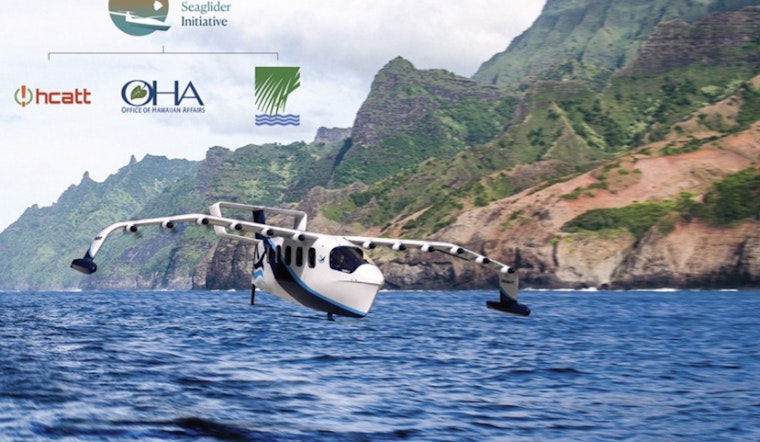
Hawaii's splashy promise of $30 one-way seaglider fares has slipped out of public view, and people who already shell out serious money for neighbor-island flights are wondering what happened. The Hawai‘i Seaglider Initiative says a Harvard-led feasibility study is finished, but the full report has gone to corporate partners and select agencies instead of the general public. Supporters are now touting big topline numbers, such as high operability at certain harbors and the potential to carry hundreds of thousands of passengers every month, while key details like which harbors, what timeline and how fares were modeled remain out of sight. For residents trying to figure out whether the affordability pitch was marketing or math, that silence is the whole story.
Study complete, but not public
As outlined by the Hawai‘i Seaglider Initiative, the Harvard-led feasibility and activation reports run more than 570 pages, and Part IIB has already been delivered to HSI’s corporate members. The announcement highlights findings that include wave-and-wind analysis which HSI says allows “over 90% operability” across harbors on Oʻahu, Molokaʻi, Maui and Hawaiʻi Island, along with modeling that could support roughly 360,000 monthly inter-island passengers. HSI also says the project examined 11 harbors in depth and produced about 150 pages of activation plans focused on infrastructure, workforce development and resiliency.
Where did the $30 fare go?
When HSI launched, early materials estimated that a one-way seaglider ticket from Oʻahu to Maui or Kauaʻi could come in at about $30, based on the initiative’s press distribution at the time. That specific $30 figure has since disappeared from current public-facing materials, while the complete feasibility study is still being shared only with corporate partners and select state agencies, as Beat of Hawaii points out.
Big Numbers, Few Details
Hawai‘i Seaglider Initiative reports a baseline public-support figure of 66%, rising above 82% among people familiar with seagliders, and says up to 83% of residents would ride at what they see as an acceptable price. The release also confirms that 11 harbors were studied and recommends phased harbor development. Independent coverage has amplified an emissions claim, that seagliders could offset roughly 30% of inter-island aviation CO2e, but the assumptions and modeling behind that number remain out of public view, as summarized by Offshore Energy. For residents and transportation advocates, the tension between big public figures and missing technical appendices is exactly the problem.
Who Is Backing This, And What Has Changed?
Original launch materials describe a broad coalition behind the project, including REGENT, Mokulele and several major local organizations, and HSI’s earliest press rollout even cited that $30 route estimate in its planning materials. Since then, the corporate and regulatory backdrop has shifted. Nasdaq and other outlets report that Alaska Air Group has completed its acquisition of Hawaiian, a change that supporters say brings more scale to inter-island service while critics worry it could centralize key decisions in fewer hands.
What officials should release next
Local reporting and reader commentary have zeroed in on some basic transparency asks: publish the list of the 11 harbors that were studied, realistic fare ranges from the cost models, the specific wave-and-wind limits that support any “90% operability” claim, and a clear certification and launch timeline. That wish list is laid out by Beat of Hawaii. Until HSI and state partners release those underlying analyses, residents, lawmakers and transit planners are left to weigh confident marketing language against numbers they still cannot independently check.





