

























































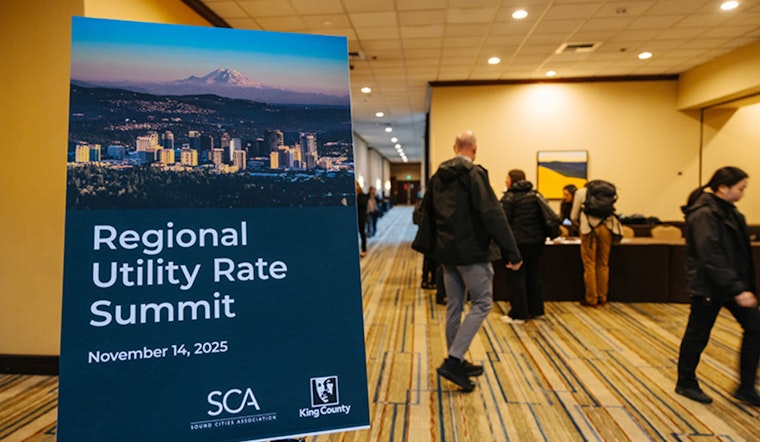
In an effort to tackle the daunting rise in utility costs, King County Executive Shannon Braddock and Sound Cities Association gathered a hefty assembly of regional policymakers and utility experts. A recent summit convened in SeaTac aimed at forging a sustainable and cost-reducing future for the residents strained by the escalating expense of basic services.
The converging officials, numbering over 150, scrutinized the utility bills threatening the affordability of homes across King County. Monthly bills for an average single-family home hover around $400 and are projected to keep pacing upward. According to forecasts, the necessity to expand and renew aging infrastructure, alongside rising construction costs and stricter environmental safeguards, will keep inflation on a steady climb.
Executive-elect Girmay Zahilay, soon to replace Braddock, rallied alongside, underscoring the critical need for collaboration. "The rising costs of utilities are making it even more challenging for people in King County to afford housing," Braddock emphasised in a statement obtained by the King County newsroom. The assembly also addressed Washington’s Department of Ecology's looming wastewater nutrient regulations, price-tagged between an eye-watering $10 billion to $20 billion. Additions set to drive local sewer rates to potentially double every decade for 30 years.
Local officials, collaborating with new leadership under Gov. Bob Ferguson at the Department of Ecology, are striving to balance ecological stewardship with fiscal pragmatism. Seeking to cushion residents caught in the affordable housing crisis, City Councilmember Penny Sweet of Kirkland communicated during the summit that household and business budgets are already stretched to their limits. While Sound Cities Association Executive Director Robert Feldstein hailed the summit as a critical step in facing this "regional crisis," discussions revolved around multiple strategies, including advocating for federal funding, streamlining permitting processes, and encouraging workforce development.
Recognizing the considerable investments King County has made in climate-resilient infrastructure, the summit’s discourse highlighted several successful projects, such as the Georgetown Wet Weather Treatment Station and a major sewer upgrade in Bellevue, while flagging that future projects are expected to carry substantially heavier price tags. The Regional Utility Rate Summit thus marks not a conclusion, but the opening salvo in what appears to be a prolonged engagement with the elemental conundrum of balancing economic sustainability with environmental responsibility.





