

























































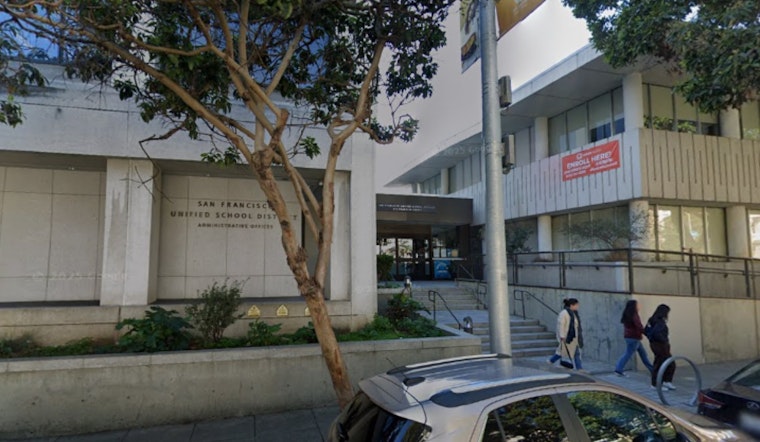
After a tumultuous period marked by a budget crisis and heated debates over leadership credentials, the San Francisco school board is set to solidify Maria Su as the permanent superintendent, if the vote next Tuesday goes as planned. In that case, Su will maintain steering of the district's ship for another two years, facing choppy waters that include further budget cuts and contentious relations with the teachers' union. Mission Local reports that Su was selected for the position last year to foster "stability, stability and stability" after Matt Wayne's exit.
Although Su's tenure has been met with support for her management skills, the financial challenges and payroll system fiasco have prompted pushback. The teacher's union, according to a spokesperson, has concerns about Su's lack of experience in education, an unusual backdrop for the role, given the district's size and complexity. This union skepticism echoes concerns raised by the Mission Local, particularly from Cassondra Curiel, president of the United Educators of San Francisco. "It’s irresponsible for the board to continue in this direction," Curiel stated, referencing the board's decision to renew Su's contract potentially.
School board President Phil Kim highlighted the district's operational and financial progress under Su's leadership and cited these gains as fundamental for students' success. Kim acknowledged the importance of faculty and community input for overcoming upcoming challenges, as reported by the SF Chronicle.
Su's new contract, if approved, includes no housing stipend or other fringe benefits, which is not uncommon compared to other Bay Area superintendents. Her current salary of $385,000 would see a 2% increase in its second year, based on performance evaluations.




