

























































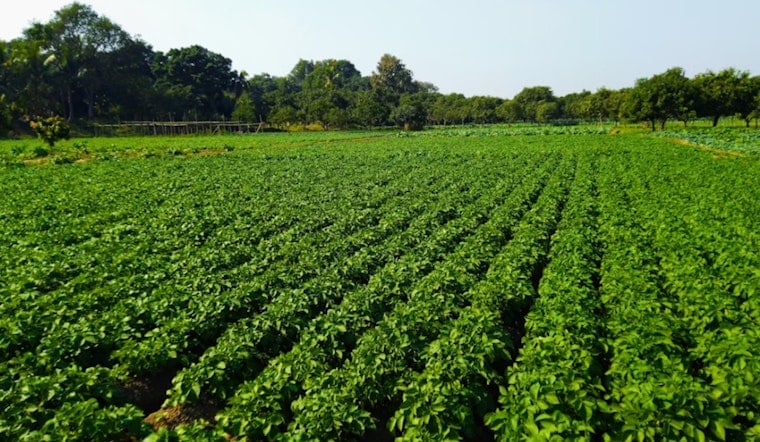
Maui County farms turned out roughly $103.7 million worth of agricultural products last year, according to a new breakdown of local production. Nearly all of that total came from crops, especially fruits, tree nuts and berries, while livestock and animal products accounted for a much smaller share. Agriculture still covers more than one-third of the county’s land area, even though it supports only a sliver of local jobs.
Report and methodology
The numbers are drawn from a county-by-county analysis published by Farm Flavor, which uses the latest USDA Census of Agriculture data and adjusts all values to 2025 dollars. The project ranks nearly 3,000 counties across the country and offers downloadable tables along with a methodology section that spells out how the figures were adjusted and compared. The Farm Flavor report also supplies the national and state context used in the individual county profiles.
Local breakdown
According to Maui Now, Maui County's market value of agricultural products sold came in at $103,746,033. Crop sales accounted for about $97.7 million, while livestock and other animal products brought in around $6.05 million. The outlet also reports roughly 1,405 farms operating across the county. About 34.4% of Maui’s land area is devoted to agriculture, yet farming represents only about 1.4% of county employment. Taken together, those figures place Maui somewhere in the middle of the national pack when counties are ranked by market value of farm products sold.
Farms, flavor and the local economy
Local growers and food businesses say the data backs up what they see on the ground: there is real room to grow farm-to-table ventures and agritourism. The Maui County Farm Bureau’s "Grown on Maui" program focuses on getting residents and visitors to buy local, tying farm viability to the island’s culinary identity. The initiative encourages partnerships between farmers, restaurants and markets so that more of what is grown in the fields makes it directly onto local menus and into neighborhood stores. For many smaller operations, those direct-market channels are crucial to turning harvests into steady income instead of hit-or-miss paydays.
Statewide trends
Zooming out to the state level, university analysts and local journalists describe a mixed picture: overall agricultural sales have climbed, but the number of farms and total acres in production have slipped. The University of Hawaiʻi CTAHR, in its summary of the 2022 Census of Agriculture, notes that Hawaiʻi lost about 10% of its farms between 2017 and 2022 even as receipts per farm rose. Hawaiʻi Public Radio has reported an uptick in closures among small farms. Together, those trends highlight an ongoing tension between keeping land in active production and a pattern of consolidation and shifts toward higher-value crops.
What to watch next
Local officials, producers and buyers will be watching to see whether rising receipts per farm translate into more stable operations, or whether land costs and consolidation continue to push many growers to the edge. For readers who want to dig deeper into where Maui stands relative to the rest of the country, the full county-by-county breakdown and methodology are available in the Farm Flavor report.



