

























































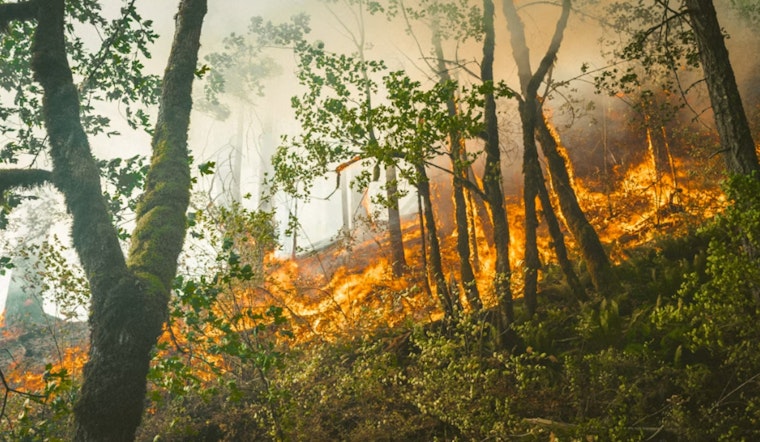
Maui residents and volunteer groups are getting a crash course in “structure triage” — the quick calls firefighters make on whether a home can be defended or when to pull back. Mock drills in Kula and follow-up workshops this fall zeroed in on defensible space, rapid on-the-spot assessments and neighbor-to-neighbor coordination ahead of the island’s next high-risk season.
What The Drills Look Like
At an Oct. 31 mock brush fire in Kula, instructors staged scenarios where crews had to decide — in real time — whether to stay and defend a home or retreat once a structure was too involved. Neighbors watched those tough calls up close. As reported by Maui Now, trainers from outside organizations worked alongside local crews to rehearse tactics and community briefings, and organizers said FEMA-supported outreach can cost roughly $25,000–$30,000 to mount. The push to make the training annual follows a fast-moving Holomua brush fire above Pāʻia this fall that burned roughly 380 acres and briefly closed schools and roads, according to Hawaii News Now.
The Bigger Picture
Officials say the firefighter-style mindset reflects a national shift in wildfire risk, not just local caution. Federal tracking shows annual burned acreage has climbed since the 1970s as seasons lengthen and fuels build, raising the odds that communities near wildland will face fast-moving threats. EPA data point to a clear uptick in acres burned and a longer fire season in recent decades.
How To Prep Your Home
Workshop guidance leaned on the home-ignition-zone approach: keep the first 0–5 feet around a structure non-combustible, manage the 5–30 foot zone with careful landscaping, and reduce dense fuels out to 100 feet or more. Low-cost steps — clearing gutters and decks, removing leaf litter and screening vents — cut the chance of wind-driven embers igniting a home. The Hawaiʻi Wildfire Management Organization has a homeowner checklist that maps those zones and actions to take before red-flag conditions arrive. HWMO
Neighbors Step In
Grassroots groups are filling gaps, too. Mālama Kula has set up green-waste drop-off sites and curbside pickups for kupuna so residents can clear brush more easily, and volunteers continue removing invasive, fire-prone vegetation. Mālama Kula and other partners are working property by property; Maui Now reports the nonprofit has worked on more than 100 properties and removed roughly 1.3 million pounds of dead wood and fuels that were turned into woodchips. County fire officials are also identifying and tracking high-risk parcels so owners receive targeted outreach on compliance and abatement.
The message landing at each workshop is practical and local: clear the immediate area around your house, talk with neighbors about shared responsibilities, and understand that crews may have to move on if a structure becomes too involved. The training is blunt but useful — and for many Upcountry households, work done now could be the difference between losing a home and surviving the next blaze.





