

























































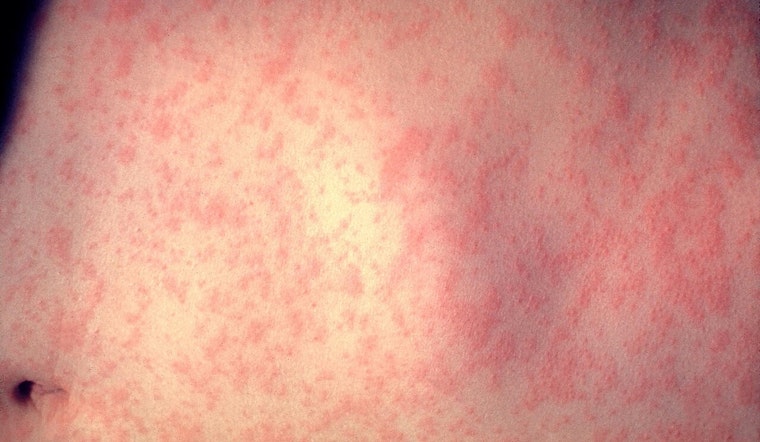
The Hawaiʻi Department of Health has picked up the measles virus in Maui County wastewater for the first time, turning up genetic traces in samples from Central and West Maui. The Nov. 18 samples from two municipal collection sites tested positive for measles viral material, and state lab analysis indicates it is the naturally occurring strain that spreads between people, not the weakened vaccine strain. Health officials say there are no suspected clinical measles cases on Maui right now and that they are watching the situation closely as part of routine infectious disease surveillance.
What the DOH found
In a news release, the Hawaiʻi Department of Health said the positive samples were collected Nov. 18 at two municipal wastewater sites in Central and West Maui County and processed through the National Wastewater Surveillance System. Officials stressed that wastewater testing detects viral genetic material shed by infected people and does not, by itself, confirm a clinical measles case or prove that the virus is spreading in the community. The State Laboratories Division will keep working with NWSS and partner labs to monitor and retest samples as needed.
How wastewater surveillance helps
Public health programs across the country added measles to wastewater testing panels in 2025, and the monitoring can pick up virus from people who have no symptoms or never get a clinical test, sometimes providing an early heads up before cases are identified, according to Time. Hawaiʻi has already seen measles genetic material in wastewater on other islands, which has helped officials widen surveillance and issue public health guidance. Experts caution that a positive wastewater signal only shows that viral material is present in a particular sewershed and cannot reveal whether the virus was still infectious or precisely when it entered the system.
What residents should do
State health officials are urging residents to check that measles, mumps and rubella (MMR) vaccinations are up to date. Infants under 1 year are especially vulnerable, and in some exposure situations children 6 to 12 months old may be advised to receive an early MMR dose, as per the Hawaiʻi Department of Health measles guidance. Anyone who has traveled to an area with a known measles outbreak, or who develops fever, cough, runny nose or a rash, is advised to contact a healthcare provider and stay isolated to avoid spreading illness. The department says it will issue a medical advisory to clinicians with instructions for testing and reporting potential cases.
Where to find updates
The CDC tracks national measles wastewater data through its National Wastewater Surveillance System. Local wastewater signals can be followed on the WastewaterSCAN dashboard. For on-the-ground coverage, see Maui Now, and consult the CDC for testing guidance and national case counts.





