

























































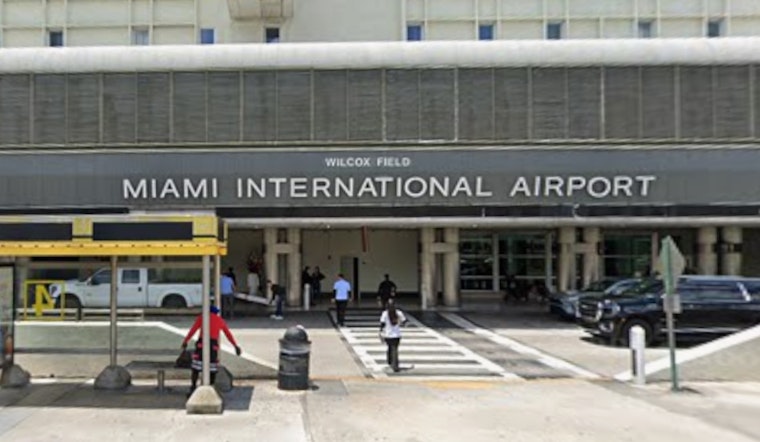
Miami International Airport (MIA) has stepped up its game and is now the proud host of the U.S. Customs and Border Protection's (CBP) largest single deployment of Enhanced Passenger Processing (EPP) technology. The EPP, which employs SITA's Smart Path technology, promises to make travel a smoother ride for those entering the U.S. through Miami. It catapults MIA into the technological forefront, aiming to benefit passengers through faster, more secure border crossing experiences. According to an announcement by the Miami-Dade County Mayor Daniella Levine Cava, this rollout is a part of MIA's strategy to become one of the most advanced airports in terms of traveler convenience.
At the heart of this initiative, MIA has installed 12 biometric face pods spread across its passport control areas in concourses D, E, and J, making it the foremost adopter of such technology by CBP standards. Daniella Levine Cava noted, “Because participation in EPP is completely voluntary, travelers may choose the option that works best for them — while still benefiting from improved security and a smoother, more efficient arrival process. It’s all about enhancing the overall experience for the millions of visitors who arrive in Miami-Dade County from around the world every year,” as noted by the county's website.
Speaking on the technological aspects, the biometric system functions by matching travelers' live images against existing CBP records, facilitating identification within an eye-blink of three seconds. These mobile, wireless-enabled pods are designed for adaptability; they can be effortlessly repositioned in response to changing passenger flow, allowing for optimal utilization of CBP staffing. Each pod boasts screens for agents, ensuring they can monitor the process in real time and maintain security protocols.
Shawn Gregor, President Americas at SITA, emphasized Miami's significance as an international hub with these words: "Miami is one of America’s busiest international gateways and the door to Latin America and beyond." Gregor's remarks suggest that the initiative is not just a step up for MIA, but could very well set a benchmark for others to follow in the realm of airport efficiency. With its robust design, the system is expected to effortlessly scale up to meet the demands of increasing passenger volumes without the need for extensive new infrastructure, according to the same press release.
Statistics from SITA's latest Air Transport IT Insights indicate that roughly 53% of North American carriers are investing in biometric and digital identity management systems, surpassing global averages. Moreover, upwards of 60% of airports in the same geographic area have implemented touchless tech to manage passenger flow. With this new implementation at MIA, the focus is clear: improved efficiency is top of mind, and the airport is well on its way to achieving this goal sans the need for erecting new facilities.
To round it out, Daniel Alonso, the Senior Official Performing the Duties of the Director at Customs and Border Protection, heralded such collaborations as vital for a secured and streamlined border. According to Miami-Dade County's release, Alonso stated, "CBP is actively expanding biometric processing at major U.S. ports of entry to enhance security and streamline the arrival process for travelers."



