

























































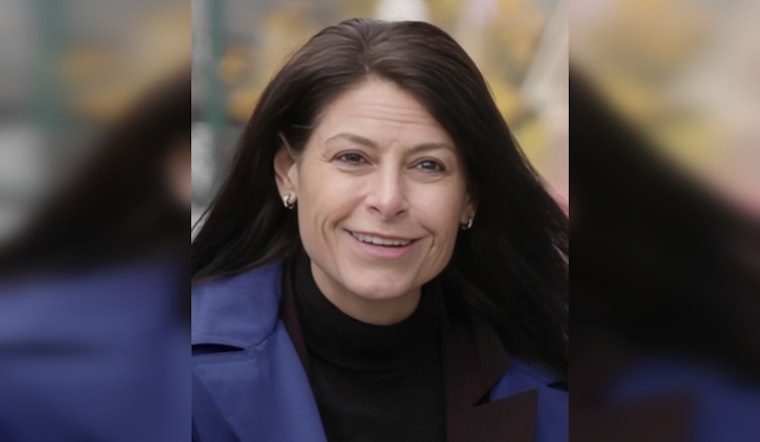
Michigan Attorney General Dana Nessel, together with a bipartisan group of 36 attorneys general, sent a letter to Congress addressing a proposed federal action they say could affect state authority over artificial intelligence (AI) laws. The group, which responded to a similar proposal earlier in the year, restated its position at a time when federal AI regulations have not yet been established, leaving states to handle the issue individually.
In the letter, referenced by Nessel’s office, the attorneys general noted the fast-changing nature of AI technology and emphasized the importance of states maintaining the authority to adopt their own protective measures. “As AI continues to grow and evolve, states must have the ability to act and protect their residents,” Nessel said in a press release. They pointed to a range of AI-related risks—such as its role in fostering delusions, enabling persuasive scams, and contributing to harmful interactions with young people—as reasons for continued attention from state lawmakers.
In a press release, Michigan already has several notable laws governing the use of AI, including restrictions on its use in political campaigns and measures addressing the spread of digitally altered explicit content, or “deep fakes.” These regulations are intended to provide residents with safeguards amid growing concerns about misinformation, privacy violations, and manipulation involving AI. The possibility that such protections could be preempted is one of the factors driving the attorneys general’s opposition to a broad federal limitation on state laws.
Nessel and the other attorneys general argue that, rather than imposing a broad federal ban on state AI regulations, Congress should pursue a collaborative strategy. They call for meaningful federal action to establish protections against harmful uses of AI while continuing to allow states to participate in regulation. With states already enforcing a variety of AI-related laws—ranging from measures targeting robocall scams to those addressing data privacy— they warn that efforts to override these statutes could significantly affect the residents who rely on them.
The response extends well beyond Michigan, with attorneys general from a wide range of states and territories—including American Samoa, Arizona, California, Washington, and Wisconsin—joining Nessel in signing the letter.




.jpg)