

























































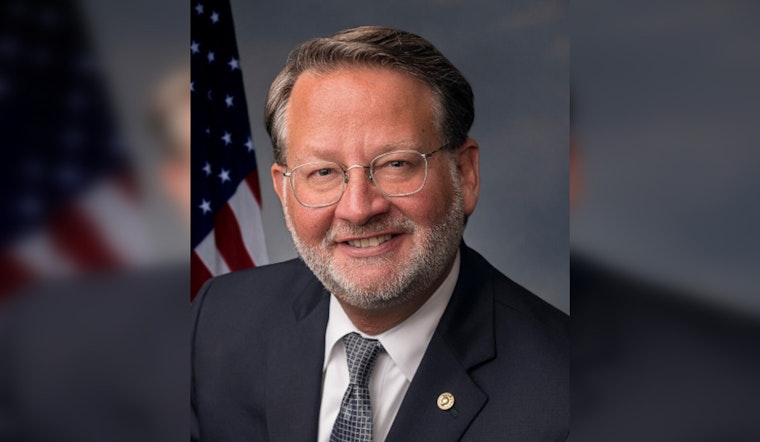
As the federal government inches closer to ending the longest shutdown in U.S. history, Michigan Democratic Sens. Gary Peters and Elissa Slotkin stood their ground, voting against a resolution that advanced with bipartisan support on Sunday. According to Detroit Free Press, the resolution could reopen federal operations until January 30 and would require those fired since the shutdown began to be rehired, with furloughed employees receiving back pay.
The deal, passed in the Senate by a vote of 60-40, also promises funding through September 30, 2026 for essential services, such as SNAP and veterans programs. Despite the progress, Peters and Slotkin expressed dissatisfaction, emphasizing their commitment to addressing healthcare costs – an issue they say remains unaddressed by the resolution. Peters, not seeking re-election, voiced his frustration, "I’m relieved that it will not only protect but increase resources for desperately needed food assistance, especially now that President Trump has shown he is comfortable both denying people affordable health care and letting children go hungry in order to get what he wants," he stated, as reported by Detroit Free Press.
For her part, Slotkin, who made her stance clear since July, insisted Republicans taking action to lower health care costs was a prerequisite for her support. "President Trump’s ‘Big, Beautiful Bill’ has plunged America into a health care crisis," Slotkin articulated her concerns, according to reporting by CBS News Detroit. Both senators remain critical of the agreement's inability to address the looming expiration of Obamacare subsidies, which could see premiums double for many of their constituents.
As the Senate moves ahead with the resolution, attention shifts to the House where its fate remains uncertain. House Democratic Leader Hakeem Jeffries, according to a statement obtained by The Detroit News, signaled opposition to the bill without an extension of the ACA tax credits. Yet Republican representatives, such as Michigan's Tim Walberg, have shown support, emphasizing the need to address both the shutdown and healthcare concerns, with Walberg noting, "We'll certainly be attuned to addressing (health care) and hopefully doing things better than Obamacare, which has been a failed process from the start."
The shutdown has stretched 40 "long days," setting a record for duration and leading to widespread disruptions, including affecting airline flights and threatening food assistance. Senate Majority Leader John Thune conveyed optimism that the dark days are nearing an end, saying, "It's imperative to get the government open as soon as possible, from the precarious situation we’re in with air travel to the fact that our staff have been working without pay for a full 40 days now," as The Detroit News reported. Despite such optimism, the firm "no" stances from Peters and Slotkin highlight the divergent views within the party on the best strategy to adopt in solving the dual crises of a government shutdown and rising healthcare costs.





