

























































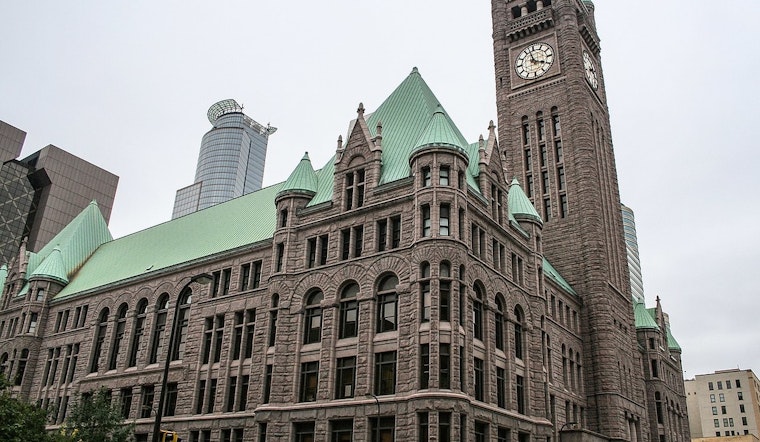
In Minneapolis, as the chill of winter begins to grip the city, local officials have rolled out a multi-million-dollar plan of action to tackle the pressing issue of housing affordability and homelessness. The Minneapolis City Council has announced a strategic injection of over $14 million in funds, paired with $1.7 million in federal housing tax credits, aimed at fuelling the development of 11 affordable rental housing projects. This financial move is projected to secure nearly 600 affordable homes for a wide spectrum of Minneapolis residents, from families to seniors, and individuals transitioning out of homelessness.
According to information obtained by the City of Minneapolis news release, Mayor Jacob Frey praised the city's proactive measures, "We're out front, building affordability at a scale and pace that put us on the national map. These investments mean hundreds more people housed, more families stable and a city that’s leading by example." In addition to housing, the city has also bolstered its support network by unveiling plans for 126 new shelter beds and 123 new housing units designed explicitly for the homeless population.
Providing context, the Affordable Housing Trust Fund (AHTF) program operates on both federal and local funding sources, and since 2011, has allocated nearly $183 million toward Minneapolis housing initiatives. The success stories include four recently funded projects, with Valiance Apartments and Shelter and the Minnesota Indian Women’s Resource Center already operational. Kyle Garden Square is also among those open, while Simpson Apartments and Shelter are on the cusp of welcoming residents.
Continuing their partnership with Hennepin County, the city's initiative complements the county's Winter Warming program by adding 133 shelter beds, with eight of those beds at Valiance. The comprehensive response to the homelessness crisis is evidenced by the city's commitment to constantly expand adequate shelter facilities, particularly for families with children facing housing insecurity during the winter months.
Each awarded project under the AHTF program adheres to strict eligibility criteria, ensuring at least a fifth of the units are accessible to households earning no more than 50 percent of the area median income (AMI). The competitive application process scrutinizes aspects such as financial viability, project readiness, design aesthetics, and the potential for long-term success. Among the noteworthy projects in the 2025 round are Clare 5 Apartments in Ward 1, Lindquist Apartments in Ward 5, and the Flour Exchange in Ward 7, each addressing the unique needs of their respective communities.
The city's annual Way Home Report tracks the progress and impact of these housing and homelessness initiatives. As detailed in the report spanning 2022 to 2024, there has been a marked and steady increase in investment since 2018, summing up to $400 million. Elfric Porte, the City of Minneapolis housing director, emphasized in the report the importance of sustained investment, "We want to help our neighbors by providing resources and housing where and when they need it most. As we head into the winter months, it’s important to keep people in the forefront of our efforts."




