

























































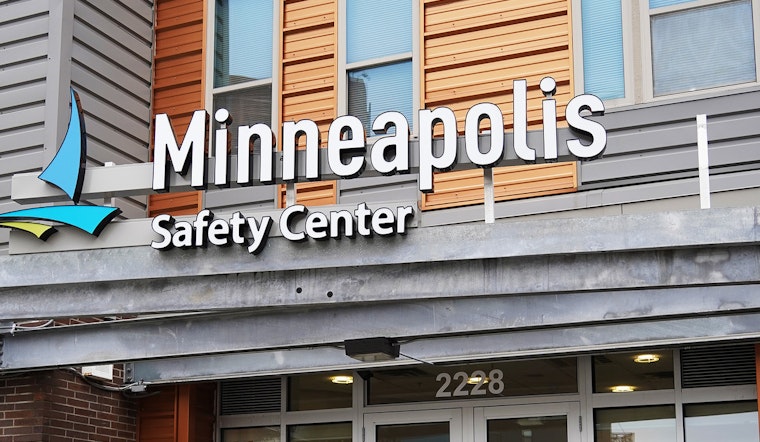
As Minneapolis toasts to the first anniversary of the Lake Street Safety Center, the city is taking a moment to reflect on the changes and impacts the center has had since its inauguration last November. Designed as a collaborative effort between the city, county, and community organizations, the center has rapidly become a cornerstone for providing accessible support and services to the community members of South Minneapolis.
Offering hundreds of locals a gateway to immediate assistance, the hub has achieved to effectively delivered a diverse range of services. It's situated conveniently next to Metro Transit's Lake Street light rail station, making it accessible for a larger cross-section of the community. "We heard directly from the community about what safety should look like — and then we built it together," Mayor Jacob Frey stated, as reported by the official press release from the City of Minneapolis. The accolades don't just stop there, with residents also benefiting from the myriad of resources offered at the center's location at 2228 E. Lake St.
The Lake Street Safety Center is part of a strategic plan to reinvent community safety, acting as a pilot project for broader systemic and cultural reforms. A multitude of programs now call the center home, including the Community Safety Ambassadors who provide a visible presence along Lake Street and Franklin Avenue corridors, performing wellness checks and connecting locals with necessary resources. This pilot program was also highlighted in the same City of Minneapolis press release.
Newly launched initiatives have continued to push the envelope of traditional safety measures. According to the City's announcement, services now extend far beyond just emergency response, encapsulating education, housing, substance use disorder assistance, and business security concerns, among others. This expansion of services has been largely thanks to the collective efforts of local partners like the Greater Minneapolis Council of Churches and Let Everyone Advance with Dignity.
In the words of Council Member Jason Chavez, "In the last year, we've seen a continuous growth of the services available in our neighborhood." Chavez proudly reflected on the success of the center in the City's press release. Additionally, the collaboration with local organizations has not only multiplied the impact of the center but also fostered an environment where meaningful connections lead to effective solutions. As acknowledged by Maria Zavala of LEAD during an interview with the City of Minneapolis, "We are better together."
With the Lake Street Safety Center's first anniversary marked by positive feedback and palpable results, the City of Minneapolis and its partners remain optimistic about the future. The drive to improve liveability and ensure safety for community members remains front and center, as the center looks forward to another year of service and development.



