

























































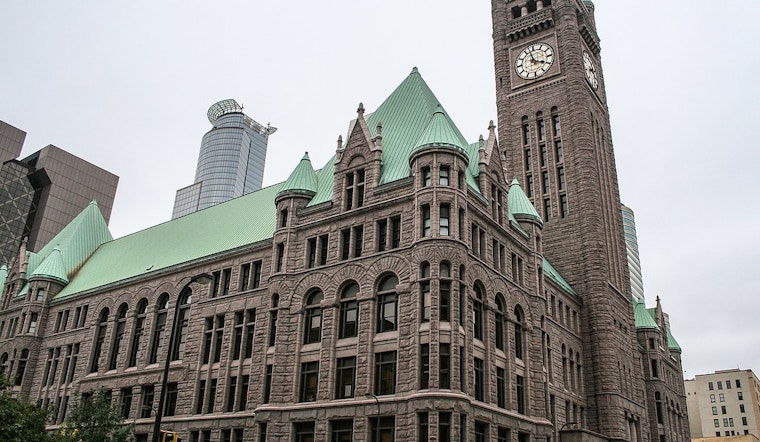
As the stalemate in Washington drags on, Minneapolis finds itself grappling with an acute crisis: the federal shutdown has put a stop to the issuance of SNAP benefits, affecting over 60,000 residents hungry for a resolution. Despite rulings by federal judges that contingency funds should be tapped to sustain some payments, families are left wondering when, and if, help will arrive. The city isn't standing still, though. Mayor Jacob Frey, understanding the gravity of the situation, has directed $150,000 to local food non-profits, as reported by Homegrown News.
With the USDA's guidance on allocating partial SNAP benefits proving complex, delays seem inevitable. Meanwhile, citizens are being called upon to lend their support. Whether it be through donating time or money to local food shelves, which cater specifically to the communities they serve through wholesale purchases and discounted prices, or attending upcoming Homegrown Minneapolis Food Council meetings and action team gatherings dedicated to sustainable food practices, the community is fighting back against the fallout of the federal shutdown.
Amidst the shutdown turmoil, the city continues to foster growth and conversations around sustainability and equity with various initiatives and events. This includes the introduction of a Climate Equity Tracker, which throws a spotlight on Minneapolis' strides towards carbon neutrality by 2050 across ten key areas. "This is just the beginning. The Climate Equity Tracker will continue to grow and add new features and updates," says the latest post from Homegrown News. The tracker is part of the broader 2023 Climate Equity Plan, honed in on bringing transparency and connectivity to the city's climate efforts, ensuring community members and businesses reap the benefits.
As November unfolds, Minneapolis is also throwing open the doors to its winter farmers' markets, where local vendors will offer an array of goods, from fresh produce to artisan wares, vital for both city dwellers and producers alike. To assist in immediate sustenance, the city shares a trove of opportunities in the realm of sustainable agriculture and food systems—from job listings with various organizations to grants like the Mortenson Family Foundation’s Sustaining Environmental Systems, which invites proposals for environmental support.
Moreover, steps towards a more sustainable future are evidenced by the University of Minnesota's recent zero-waste event triumph during Farm Aid 40, an impressive feat in waste diversion and a testament to collective action towards greener pastures. The public's participation was key; as they disposed of items, those tens of thousands of pounds of materials were saved from the landfill thanks to a meticulously planned waste collection system. It's moments like these that the city hopes will inspire and proliferate a culture of sustainability, as echoed in outreach initiatives such as the AGRI Sustainable Agriculture Demonstration Grant and the Minnesota Department of Health's Drinking Water Action Plan. Through these programs, community engagement and the will to innovate remain steadfast even as political gridlocks cast deep shadows.



