

























































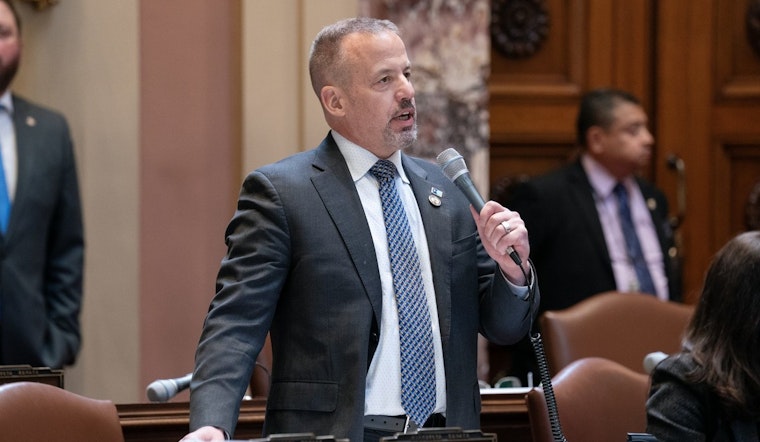
In a recent development in Minnesota's healthcare sector, Medica has announced plans to acquire UCare—a move that could significantly alter the landscape of health insurance options in the state. Senator Matt Klein (DFL–Mendota Heights), Chair of the Senate Commerce and Consumer Protection Committee, voiced his apprehensions about the potential implications of this acquisition for consumer choice and the healthcare market stability. Klein's concerns come at a time when the industry is already facing challenges from federal Medicaid cuts pushed through by Republican legislators.
"Minnesota is a leader in healthcare in part because of our competitive, mission-driven health insurance marketplace," Senator Klein stated. He expressed deep concern for the "long-term implications of shrinking consumer choice," especially given the current volatility in both the provider and payer sectors. The senator is wary that a decrease in the number of viable insurance plans could mean a loss of options for patients, diminished bargaining power for communities, and a general fragility of the healthcare marketplace—consequences that may directly impact the state's most vulnerable populations and strain the healthcare providers.
The backdrop of these events is painted with broader market disruption, as the senator highlighted. Federal Medicaid cutbacks, instituted by Republicans, have already initiated the onset of care access challenges for Minnesota's vulnerable citizens, further pressuring hospitals, clinics, long-term care providers, and safety-net organizations. The looming question is how these entities will withstand additional strain from a market that may soon offer less choice and potentially higher prices to consumers.
According to Senate DFL, Senator Klein declared his intention to "continue to monitor developments, assess legislative oversight needs, and seek input from consumers, providers, and agencies across the state." He pledged to advocate for consumer choice, patient access, and quality of care—an imperative stance as the healthcare system begins to navigate the uncharted waters brought about by this forthcoming acquisition. His statement ended with an emphasis on the ferocity with which he intends to engage with this issue to ensure the needs of Minnesotans remain at the forefront. It is a promise, much like the course of healthcare itself, that is certain to evolve amidst the twists and turns of policy, politics, and corporate maneuvers in the times ahead.




