

























































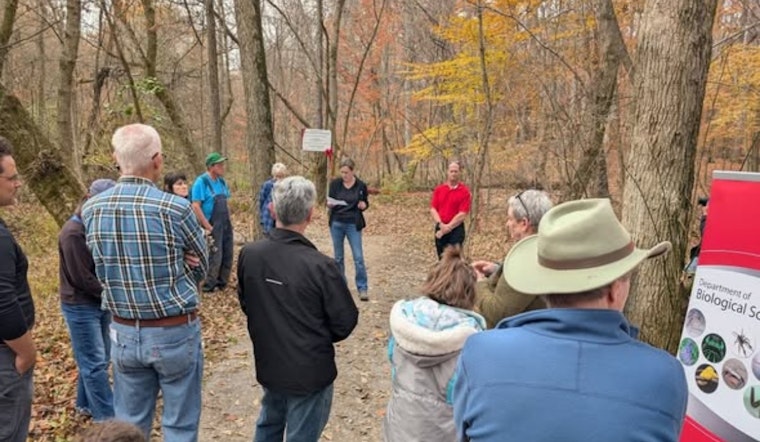
In Montgomery, Ohio, a leafy celebration took root as the Harris M. Benedict Nature Preserve commemorated its golden jubilee as a treasured National Natural Landmark. This verdant nook, hugged by the bounds of the Johnson Nature Preserve on Deerfield Road, has steadfastly stood as a beacon of natural wonder and ecological scholarship for a full half-century. The City of Montgomery, Ohio Government shared the milestone on their social media page, honoring the legacy seeded by a group of students under the tutelage of Professor Harris M. Benedict.
Since 1929, the land has been cradled in the trust of the University of Cincinnati. A verdant sprawl of 65 acres, the preserve's namesake comes from an educator whose influence extended beyond the classroom—igniting a passion among his students to collectively raise funds and ensure the forest's preservation. Despite the changing world around it, the Benedict Nature Preserve has remained a steadfast patch of green, a jewel in Ohio’s crown of National Natural Landmarks. Decades have witnessed scientists painstakingly unraveling ecological puzzles within the preserve's embrace, their findings a story written in soil and leaf.
Among the many research initiatives birthed from this living laboratory, a particularly significant study stands out: the investigation into the ecological aftermath of the 1999 tornado. This natural disaster, which cleaved a path through communities and forested stands alike, became a subject of enduring intrigue and learning within the preserve's sheltering bounds. The findings not only gleaned insights into nature's resilience but also have potentially informed future conservation strategies and emergency responses.
The significance of the Harris M. Benedict Nature Preserve is not merely historical; it is palpable, alive in the thriving ecosystems that continue to grow, tangle, and evolve. It boldly represents an ongoing commitment to protect and better understand our natural environment. As the City of Montgomery extolls this landmark's half-century of untouched beauty and scientific inquiry, it echoes a larger narrative: one of dedication to the delicate balance between human progress and the sanctity of the natural world—a dialogue that will undoubtedly continue to flourish for years to come.





