

























































Riverside, CA – Governor Gavin Newsom's push to mitigate California's housing affordability issues continues with a new chapter unfolding in Riverside County. According to the Governor's office, a dormant CAL FIRE property on Mulberry Street is slated to become the future site of a 209-unit affordable housing complex, breathing new life into state-owned land no longer in active use.
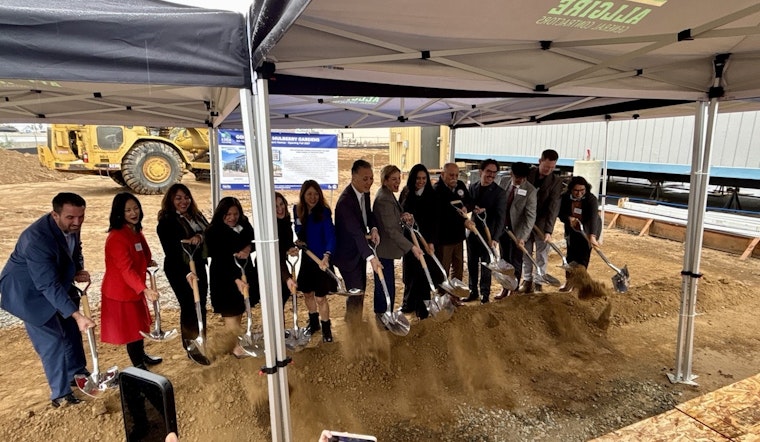
In a ceremony held last Friday, officials celebrated the groundbreaking of what's been dubbed the Mulberry Gardens project. The site, is split into senior apartments at 2524 Mulberry Street and family units at 2560 Mulberry Street, is seeing its transformation under the auspices of Governor Newsom's executive order. Phase I of the development promises 59 homes for low-income seniors, with Phase II expanding the initiative to include 150 family-friendly units tailored to low-income demographics. "We’re not just pushing local government to build more housing – we’re putting state land to work and creating new homes ourselves," Governor Newsom proclaimed in a statement, signaling California's proactive approach as the federal landscape changes.
The project boasts a wide range of amenities, including a community room, computer lab, and fitness facilities, with its proximity to downtown Riverside offering convenient access to transit and services. Financing combines public and private investment, featuring local funding to the tune of approximately $4.5 million, state assistance amounting to $44.8 million, and a dimensional sum of $2 million from private entities. Eden Housing, the developer behind Mulberry Gardens, is at the helm of orchestrating this ambitious endeavor.
An expedited environmental review by the Department of Toxic Substances Control (DTSC) has significantly reduced the project's timeline, while maintaining a commitment to public health standards. Katherine Butler, DTSC Director, noted, "We accelerated our environmental review to keep this project on time, and with strong public protections for the people who will live in this community," signifying DTSC's role in promoting safe, sustainable housing options for Californians. Moreover, the DTSC has been active statewide, investing over $130 million through its Equitable Community Revitalization Grant program to repurpose over 150 sites into revitalized community spaces.
The reach of the Governor's executive order isn't just confined to Riverside. The initiative has spurred the creation of several hundred affordable homes across the state, taking underutilized or contaminated parcels and converting them into viable housing. Some of these projects have been completed, like the Crossroads at Washington in Santa Ana and the Margaret Gordon Apartments in West Oakland, while others are in various stages of development, including the Algarve Apartments in San José and the Lincoln Beach complex in Anaheim.
The digital inventory managed under the State Excess Sites – Affordable Housing Opportunities Map Viewer continues to identify state-owned land ripe for development. As California grapples with the dual crises of affordability and homelessness, the transformation of state property into affordable housing isn't just about creating homes; it's about crafting opportunities for stability and economic advancement against a backdrop of ever-evolving federal policy landscapes.





