

























































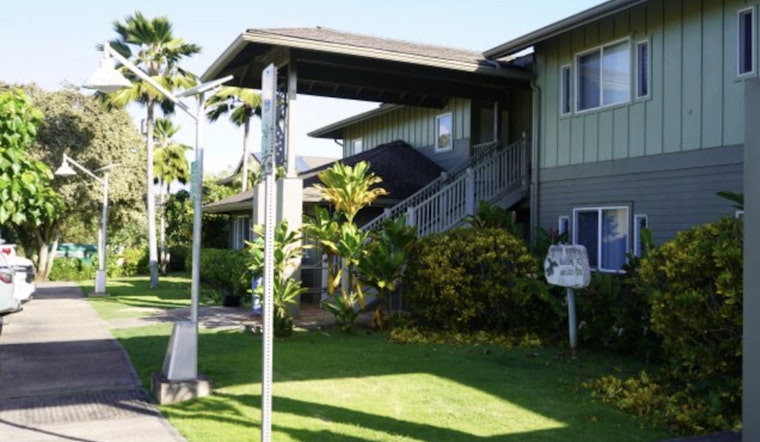
The Department of Hawaiian Home Lands rolled into Kapa‘a on Saturday with a pitch that many Native Hawaiian beneficiaries on Kaua‘i do not hear very often: rent an apartment now, then get a real shot at buying it later. At a set of beneficiary workshops, DHHL unveiled its rent-with-option-to-purchase plan for the Courtyards of Waipouli, converting an existing complex into DHHL-managed rentals where homestead leases start on day one. After roughly 11 years of steady tenancy, qualifying renters could be in line to buy their units, creating a scarce path to ownership on the island.
DHHL held two information sessions in Kapa‘a
The department hosted morning and afternoon orientations in the Makai Ballroom at the Sheraton Coconut Beach Resort, the Department of Hawaiian Home Lands said in a press release. The sessions walked beneficiaries through program basics, eligibility rules and follow-up contacts for those unable to attend in person. DHHL Director Kali Watson framed the move as a badly needed alternative route to homeownership for families who cannot tap into conventional turnkey offerings.
What the program offers
The Courtyards of Waipouli covers nearly six acres in Kapa‘a and includes about 82 beneficiary units spread across 10 two-story buildings, with one to three bedroom layouts, Kauai Now reports. DHHL plans renovations so beneficiaries can move in at below-market rents while working on savings and credit. After roughly 11 years of renting, participants may be able to exercise a purchase option on their unit under the rent-with-option-to-purchase model.
Who qualifies
Prospective renters must appear on DHHL’s Kaua‘i island-wide residential waitlist, meet a minimum 50% Native Hawaiian blood quantum or qualify as a successor, and fall within income limits that vary by unit, roughly 30% to 120% of area median income, according to local reporting. A share of the apartments is reserved for households eligible under the Native American Housing Assistance and Self-Determination Act, which generally serves households at or below about 80% of AMI. DHHL is urging all eligible beneficiaries on the Kaua‘i waitlist to review the program materials carefully and submit applications.
Acquisition background and debate
The Hawaiian Homes Commission signed off on the Courtyards acquisition in January 2024, and DHHL closed on the purchase in September using federal NAHASDA funding along with additional financing that helped secure the property, according to reporting. The plan to shift the complex into a rent-to-own style project has split opinion among beneficiaries. Some argue it is a creative way to move families toward ownership, while others contend DHHL should focus first on traditional land-based homesteads, as reporting from the Honolulu Star-Advertiser noted. Financing details and changes to income targeting have been hashed out in commission meetings and community forums.
Relocation plan and federal rules
Because tenants were already living at the Courtyards when DHHL bought it, the department prepared a relocation plan that complies with federal rules and outlines protections for residents. Project materials describe at least 90 day notices, advisory services, help with moving costs and rental gap assistance for eligible households. Public-facing relocation information explains that moves began in phases and are intended to wrap up within roughly 12 to 18 months, with extra attention for seniors and people with disabilities. Those documents also note that tenants who arrived after certain cutoff dates might not qualify for full relocation benefits, so affected residents are urged to review the relocation plan itself.
Next steps and timeline
According to DHHL outreach materials and local coverage, the department aims to announce awards in February, with first move-ins targeted for the spring, giving would-be participants a bit of runway to get paperwork and questions in order. Beneficiaries who missed the Kapa‘a workshops can still access DHHL’s announcement and program pages for application packets and contact details, as outlined in the department’s release. For anyone sorting through relocation rules or eligibility fine print, DHHL’s official materials and the project’s relocation plan remain the key references.





