

























































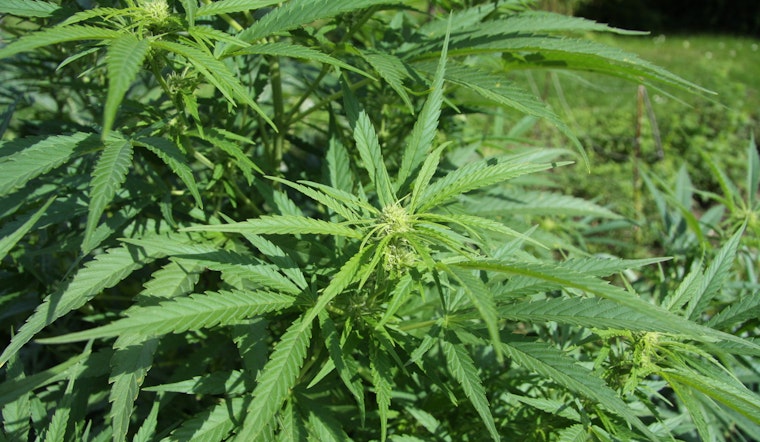
Florida legislators are facing a wave of potential changes as a new bill, filed today by Pensacola Republican Alex Andrade, seeks to align marijuana smoking restrictions with those already imposed on tobacco, effectively banning the act in many public areas. According to CBS News, HB 389 would extend prohibitions to streets, sidewalks, highways, public parks, and beaches, plus common zones near schools, hospitals, and government buildings.
The ramifications for Floridian smokers could be extensive it would not just restrict traditional smoking forms but also impede vaping enthusiasts; areas wrapped into the potential no-smoke zones include airports' in-transit lounges, hinted by the existing legal landscape surrounding tobacco use that somehow still grants a free pass to unfiltered cigars. Critics of the legislation, like Ghan Ilias, owner of G's Smoke and More in Fort Myers, expressed his concerns during an interview with Gulf Coast News Now, saying, "You can pass this bill, but it's not going to stop an individual from wanting to smoke in a public place that they're completely private from."
While this debate stirs among individuals and business owners, it's not without its supporters; Lee County resident Stephen Silvoy revealed a personal narrative aligning with the bill's motives, stating, "My mom was a lifetime smoker, and she passed away from lung cancer," while also acknowledging a respect for personal choice, "I don't want to be around people who are smoking indoors or exposing me to secondhand smoke, per se. But at the same time, I respect people for the decisions they make," he told Gulf Coast News Now.
Despite current local ordinances like Lee County's smoking and vaping ban at their parks and beaches, this state-level bill promises to blanket Florida with uniformed restrictions, Ilias remains vigilant on the progress of this legislation "At the end of the day, we are still a small business. We pay taxes and we still provide for the family and provide for our community. So yes, we would fight with this, for this," he concluded in his dialogue with Gulf Coast News Now. If the bill is successful, the restrictions would come into effect on July 1, 2026, marking a new chapter in Florida's public health and civil liberty discourse.



.JPG)