

























































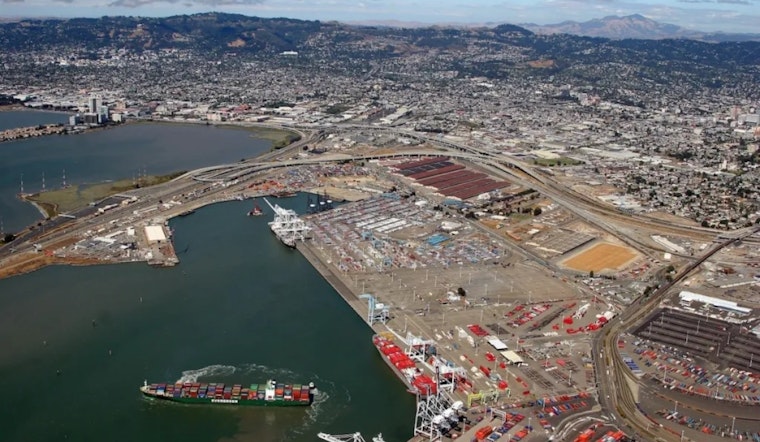
The legal tussle between the City of Oakland and Insight Terminal Solutions, a coal company, saw a pivotal shift recently when a federal district judge overruled a bankruptcy court decision. This judgment, which could have strapped Oakland with a liability bill in the hundreds of millions, has now been vacated, according to The Oaklandside report. Federal District Judge Benjamin Beaton found the bankruptcy court overstepped its authority, and the judgment was not truly final as it dealt only with liability and not damages.
In response to the pressures, Oakland must now draft a new motion the challenge the bankruptcy court's summary judgment. Andrew Stosberg, an attorney for Insight Terminal Solutions, acknowledged that while Judge Beaton vacated the "final" judgment, it did not alter the bankruptcy court's findings. A City Attorney's Office spokesperson conveyed optimism, stating to The Oaklandside, "The City believes the bankruptcy court’s rulings on summary judgment was wrong in numerous respects." Anti-coal activists in Oakland, through No Coal in Oakland, expressed their vindication with the higher court judge's rejection of the previous judgment.
On a broader scale, this decade-long political and environmental saga stands as an emblem of the tensions that arise when industry interests clash with environmental and community concerns. The original issue was ignited by a story on coal exporting initiatives reported by the Richfield Reaper and later inflamed by environmentalists in the Bay Area. According to The New York Times, Oakland, amidst fiscal struggles, found itself caught in a legal labyrinth after attempting to renege on a contract that allowed coal shipments from a planned terminal, resulting in a series of court defeats.
Despite the setback in bankruptcy court, the City Council gears up for another pressing decision. Next Tuesday marked by the approval of a partial settlement to pay OBOT $700,000 in attorney’s fees and costs surrounding the development of the terminal, as reported by The Oaklandside. Developer Phil Tagami, backed by both federal and state court rulings, will be extending his lease on city-owned land to reboot the terminal project. His stance, as captured by The New York Times, remains rooted in economic pragmatism, "You’re saying this makes the difference in the world? Oakland needs to balance its budget and fill its potholes."
As Oakland navigates through these complex legal and financial waters, one thing remains clear: the immediate impasse may have been avoided, but the City of Oakland still treads a precarious path. Future court decisions will determine whether Oakland can reconcile its environmental stance with its fiscal responsibilities without succumbing to bankruptcy. This outcome hangs heavily over the heads of residents already weathering the storms of budget deficits and economic hardship.





