

























































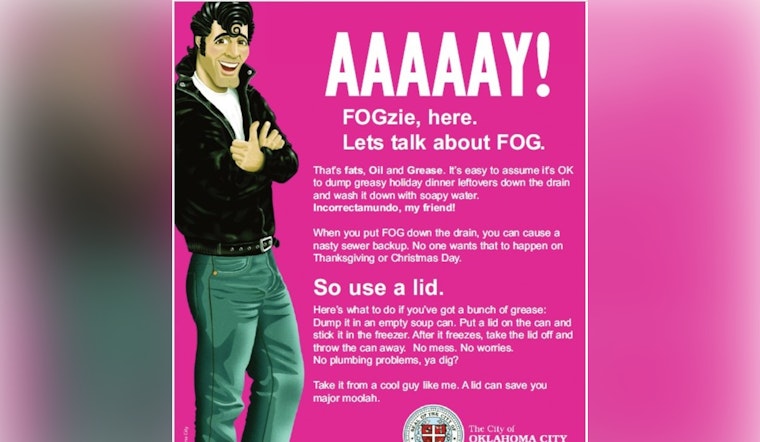
As holiday feasts take center stage, so does the potential for plumbing disasters. The Oklahoma City Utilities Department is doubling down on its message to residents: keep your fats, oils, and grease—collectively known as FOG—out of the sink. In a recent report, they've stressed the importance of properly disposing of these substances to prevent serious clogs in both household and city sewer lines, as per the City of Oklahoma City.
To keep the festive spirit from turning into a plumbing nightmare, the city has provided clear guidelines to dispose of FOG. "Prevent clogs by tossing your FOG," they suggest, urging residents to freeze and then trash liquid FOG like turkey drippings and melted butter. According to the Oklahoma City website, solid food scraps should also head to the bin, and it is advisable to wipe pans before washing to remove grease remnants.
The city is proactive in managing larger amounts of waste as well. They've directed citizens with substantial quantities of grease, perhaps from frying turkeys outside, to take such materials to the Household Hazardous Waste Collection Center. This facility, designed to handle the safe disposal of various hazardous waste, operates during the week and for limited hours on Saturdays.
"Even small amounts of fats, oils or grease can build up over time, and accumulate in sewer service lines, causing blockages and back-ups in people’s plumbing or our mains," said April Kyle, Treatment Supervisor with the Oklahoma City Utilities Wastewater Quality Division. This underscores the need to properly manage FOG disposal, not just during the high-stakes holiday season but throughout the year. The holidays, however, do see an uptick in FOG-related issues due to the frequent use of richer ingredients, according to the same news.
Common culprits contributing to FOG clogs include butter, cheese, meats, dressings, and dairy products. Coffee grounds and various peels and skins from vegetables are also to be thrown away, not rinsed down the sink. The Oklahoma City Water Utilities Trust, servicing over 1.5 million residents, remains committed to guiding the public on waste disposal to protect the community's health, safety, and environment.





