

























































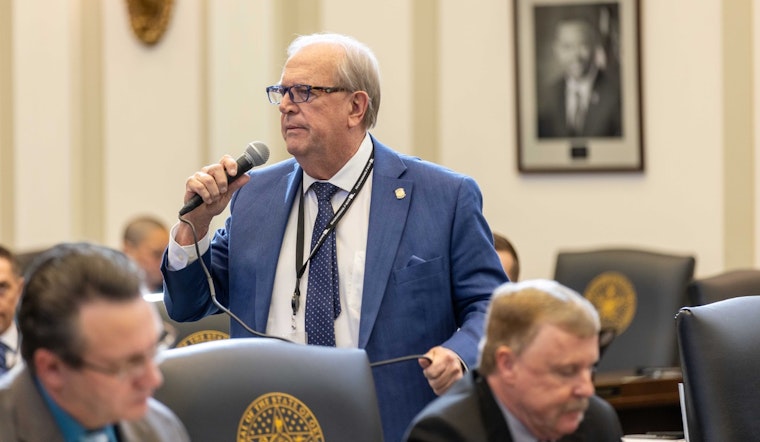
Oklahoma may soon join the ranks of states implementing "second look" policies that allow life without parole sentences to be re-evaluated based on evidence of rehabilitation. Rep. Danny Williams, R-Seminole, led an interim study dubbed IS25-115, which reviewed the use of such sentences in the state and the potential of adopting these reforms. He mentioned the necessity to question if Oklahoma’s sentencing practices are just and what changes might be needed, saying, "My goal for this study was to ask if our current sentencing practices are fair and if not, what a change should look like," according to the Oklahoma House of Representatives.
During the study, presented on Oct. 21 and reported by the Oklahoma House of Representatives, Colleen McCarty, executive director of the Oklahoma Appleseed Center for Law, shared that an inmate's daily holding cost in Oklahoma is $67.53, amounting to a hefty annual cost of $24,648. Over a span of 20 years, this figure soars to nearly $493,000, exclusive of geriatric healthcare expenses. McCarty also highlighted the Survivors’ Act, a recent Oklahoma legislation that aligns with second look policy principles, potentially serving as an inspiration for comprehensive reform.
The proposal under consideration would allow adults serving life without parole to be assessed for possible release after 20 years if they meet certain benchmarks, namely educational growth, completed programs, and positive behavior. For those incarcerated before age 25, the evaluation period might be reduced to 15 years, taking into account youth-related trauma and maturation alongside rehabilitation efforts. McCarty estimated notable economic benefits, with potential savings of approximately $246,000 annually if even 10 individuals per year meet the criteria for a second look. Under this policy, victim and survivor input would be integral to the review process, ensuring their voices are not undermined.
Community members and relatives of incarcerated individuals shared their experiences during a study on sentencing laws in Oklahoma. Williams, citing his Christian beliefs, stated, "As a Christian, I believe in redemption and forgiveness for everyone, but people must show they’ve done the work to heal and change. They should be given the chance to prove it," as per the Oklahoma House of Representatives. Supporters of second-look laws argued that such measures could provide opportunities for sentence review and support reintegration for eligible inmates.




