

























































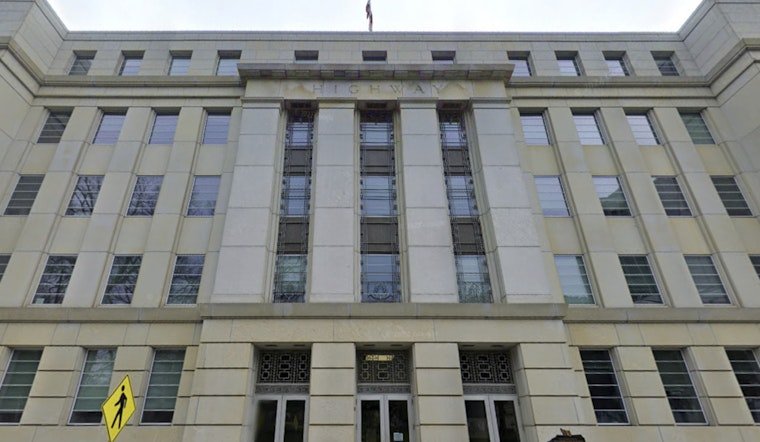
In a recent move that spells relief for many struggling municipalities, the N.C. Department of Transportation announced the distribution of over $185.6 million in State Street Aid to 508 qualified cities and towns participating in the Powell Bill program. These funds are a welcome boon for urban infrastructure, focusing on resurfacing municipally maintained streets within corporate limits, and will notably aid 110 communities hard hit by Hurricane Helene, as reported by NCDOT's press release.
The Powell Bill program is a significant source of financial aid for these municipalities providing necessary funds at a time when budgets are tight, and infrastructural demands are high, North Carolina Transportation Secretary Daniel Johnson expressed the importance of these funds stating, "Powell Bill funds often bridge a meaningful gap in resources, helping cities and towns keep up with demands on their local transportation systems," and appreciating the state leaders for their unwavering support of the program. The first half of the funds was already provided earlier this fall, with the remainder set to be allocated by January 1, 2026, as told by NCDOT Powell Bill Program coordinator Molly Stevens in the press release.
The scope of the Powell Bill allocation is not limited to road resurfacing; municipalities can also direct these funds toward maintaining, repairing, constructing, or widening streets, bridges, and drainage areas inside corporate bounds. Additional acceptable uses for the funds include the development and upkeep of bike paths, greenways, and sidewalks, with municipal authorities needing to confirm their eligibility each year by submitting the required Powell Bill information.
The financial underpinnings of the Powell Bill come from the gasoline tax and other highway user-generated revenues, a financial framework conceptualized by the formula designed by the N.C. General Assembly: 75 percent based on population and 25 percent on the length of certified, municipally maintained streets, the Powell Bill webpage offers comprehensive support, including guidelines on what expenditures are eligible and ineligible under the Powell Bill initiative. Named after Junius K. Powell, a former state senator and Whiteville mayor, the Powell Bill's 1951 origin helped municipalities address urban road issues, with its first distribution totaling $4.5 million for 386 municipalities, it is now an enduring legacy supporting the infrastructural health of North Carolina's communities.





