

























































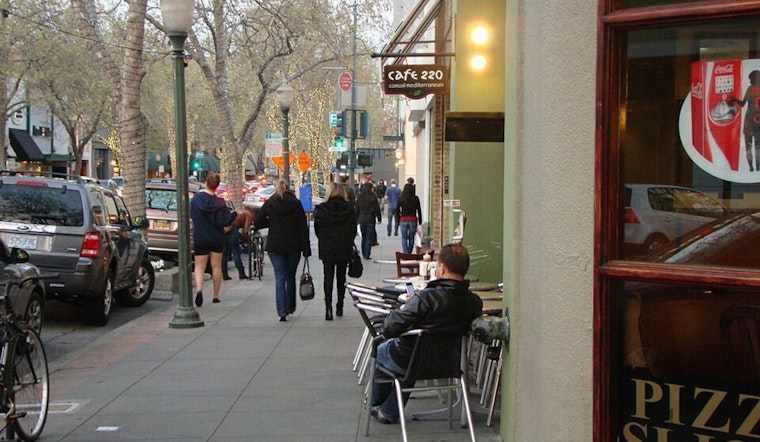
Palo Alto has hit the brakes on its long-running bid to rewrite downtown zoning, pausing while officials figure out how a newly signed state housing law could impact what the city can require. Announced today, the halt stops work on a new downtown vision as staff study whether statewide standards will override local rules on building heights, ground-floor uses, and retail protections.
Staff recommended the timeout “to better understand the implications of Senate Bill 79”, and to avoid adopting zoning, the state might promptly nullify, as reported by Palo Alto Online. The outlet notes the pause freezes the visioning effort planners have been developing for months, with staff slated to return to the council with analysis before any formal code changes move ahead.
What SB 79 Does
Governor Gavin Newsom signed SB 79 in October, establishing statewide standards aimed at encouraging mid-rise housing near major transit and streamlining approvals for certain projects, according to The Governor's office. The law applies in urban transit counties, including Santa Clara, and targets development roughly within a half-mile of eligible stations. The bill record shows it was chaptered in October and will mostly take effect in mid-2026 unless cities adopt compliant local ordinances sooner. The Governor’s office and the bill record lay out those details.
Why City Officials Hit Pause
Planners say they don’t want to write rules that get preempted or rendered redundant by SB 79. The pause gives staff time to map which downtown parcels would be affected. The law has been politically contentious, with critics arguing it trims local control and could speed projects past some locally favored review processes, a dynamic covered statewide by Politico.
Downtown Impacts To Watch
Areas closest to Palo Alto’s Caltrain station and other high-frequency transit stops are the most likely to be affected if SB 79 applies, potentially opening the door to mid-rise housing and faster permitting, while shifting the balance between housing and ground-floor retail. City staff and business groups are also examining the bill’s carve-outs for historic districts, high-fire-severity zones, and areas vulnerable to sea-level rise to determine which parcels might be excluded. Palo Alto Online reported that those carve-outs are central to the staff analysis.
What Comes Next
Staff plan to deliver a legal and mapping analysis to the council, outlining options ranging from adopting a local ordinance that meets state standards to waiting for the law to take effect, and will schedule public hearings before implementing any code changes. The bill record indicates the main implementation window starts in mid-2026 unless a jurisdiction adopts a compliant local alternative, so the pause buys Palo Alto time to shape how downtown evolves under the new statewide rules. For statutory details and timelines, refer to the official bill record and summary.





