

























































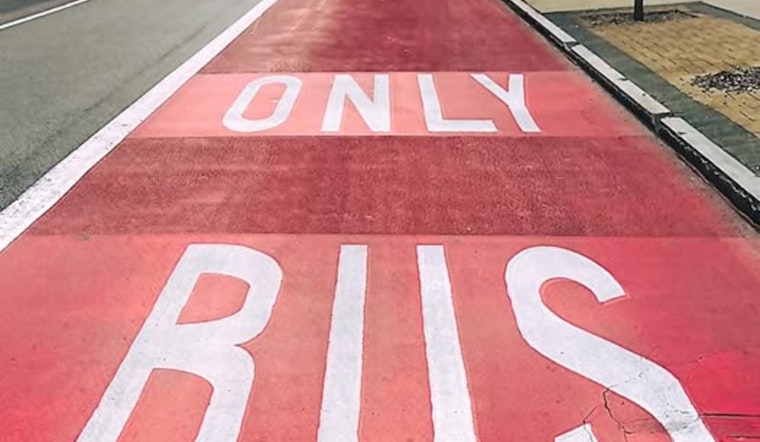
Commuters in Philadelphia have a splash of color to look forward to on their daily routes. SEPTA, in conjunction with the City of Philadelphia and the Pennsylvania Department of Transportation, has announced the upcoming installation of red-painted bus-only lanes. According to an update posted on SEPTA's official Facebook page, the lanes are set to adorn three major corridors, with the intended goal of streamlining bus services and curbing illegal parking practices.
The crimson lanes will appear on Chestnut Street between Broad Street and 21st Street, Walnut Street between Broad Street and 19th Street, and Oregon Avenue from 5th Street to Front Street. The Oregon Avenue segment is particularly notable, with completion projected by November 7, given the weather decides to fully cooperate. These bold strokes are more than mere aesthetic improvements; they represent a deliberate stride towards efficient public transit and accessibility. "Painting bus lanes red helps to improve bus service/speed, reduces improper use of the bus-only lane and illegal double-parking, and ensures better boarding access, especially for seniors and riders with disabilities," SEPTA explained in their social media post.
The impetus behind this move is part data-driven, part demand for better service. SEPTA points out a staggering figure: a typical bus rider loses 31 extra hours annually due to Center City congestion. And in monetary terms, slow-moving buses are costing SEPTA an additional $15 million per year in operating costs. The agency is clearly laying down these lanes not just to paint the town red, but also to bring down these unnecessary expenditures and delays.
By prioritizing transit lanes, SEPTA aims to reduce overall traffic congestion and improve travel times for all. The message is clear: more efficient bus services could translate into a city that is more easily navigated, more accessible, and altogether more inviting. "Prioritizing transit can reduce traffic congestion and improve travel times so everyone can access everything the city has to offer," the Facebook announcement underscored the potential city-wide benefits. With these developments, SEPTA and Philadelphia are taking meaningful steps to ensure that the pulse of the city continues to beat, unimpeded by the clots of urban traffic and the ills of disorganized transport.




