

























































Travelers who passed through Philadelphia International Airport's Terminals A and B on Sunday, November 9, may have been exposed to measles, a highly contagious virus. The Philadelphia Department of Public Health is reaching out to those who were present between 8:50 am and 4:00 pm to verify their vaccination status and keep an eye out for symptoms, according to the City of Philadelphia's recent alert.
The department's Health Commissioner, Dr. Palak Raval-Nelson, stated that this particular measles case does not pose a threat to the general public but urged those who may have been exposed to act if they aren't vaccinated. Raval-Nelson highlighted, "the potential for travel-related measles cases and subsequent outbreaks in the United States has increased," mainly because many travel destinations abroad are currently facing measles outbreaks, the Health Department reported.
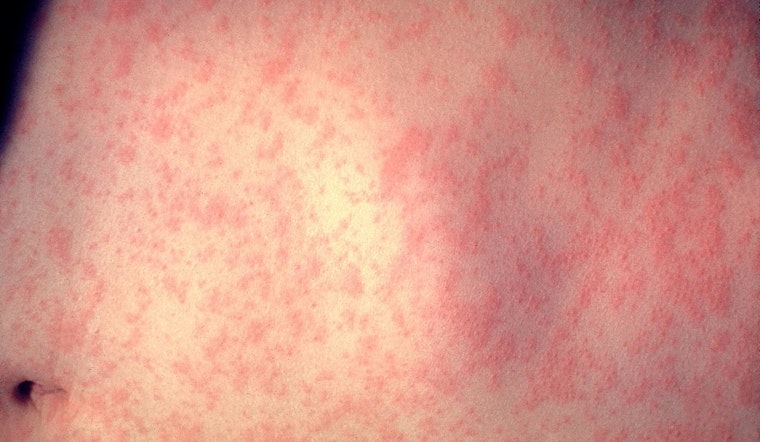
Measles transmits through the air, and it can linger, even for two hours after an infected person has left an area. Initial symptoms include fever, runny nose, cough, and red, puffy eyes, which are followed by a characteristic rash. In severe cases, measles can lead to pneumonia, brain infection, or even death. The Health Department advises concerned individuals to check their immunization records or consult with healthcare providers.
For those not immune to measles, the MMR vaccine is recommended. Protected individuals are those born before 1957, those who have already had the disease, or have received two doses of the MMR vaccine. The department has specified that masks should be worn by potentially exposed, non-immune individuals in indoor public spaces and around the unvaccinated until three weeks after exposure, as a precautionary measure. If symptoms develop through November 30, individuals are instructed to seek medical advice and contact their local health department.
Pregnant women, infants under 12 months, and immunocompromised individuals who were at the affected terminals should contact their healthcare provider urgently since exposure management may vary with these conditions. The department also suggests that travelers to international destinations, particularly families with infants 6 to 11 months old, should get vaccinated at least two weeks before leaving the country, as encouraged by the Health Commissioner.




