

























































In a significant leap towards sustainability, Raleigh has distinguished itself as a pioneering city in the Southeast for electric vehicle (EV) readiness by securing a Silver designation from the national Charging Smart program. According to the City of Raleigh, this accolade is a nod to their comprehensive efforts in EV planning and infrastructure.
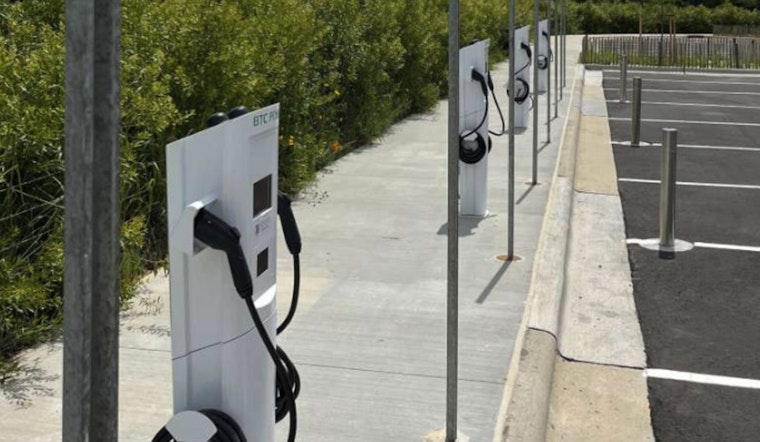
The city, which is not only the first in North Carolina but across the Southeastern states to receive such recognition, brought about the accolade through strategic planning. "The City’s EV Implementation Rollout Strategy," which outlines a visionary 10-year plan to transition the City fleet to electric and clean fuels, was a major contributing factor. Under this strategy, Raleigh has launched an electric fleet for the City’s motor pool along with the installation of EV chargers in community-centered locations like the new Gipson Play Plaza at Dix Park, as noted by the City of Raleigh.
Driven by a multi-departmental collaboration, this achievement was made possible with collective efforts extending across various sectors within the city. Among those involved are the Office of Sustainability, Fleet Management Operations Division of Engineering Services, Planning and Development, and Raleigh Parks, Recreation and Cultural Resources, alongside many other partners throughout the city and its communities. The Charging Smart initiative, which is a brainchild of groups like the Interstate Renewable Energy Council (IREC) and the North Carolina State University Clean Energy Technology Center, supported by funds from the U.S. Department of Energy Vehicle Technologies Office, also provided indispensable technical assistance to Raleigh.
Thanks to efforts spanning over a decade, Raleigh has become a leader in promoting the growth of clean energy, boasting a staggering 400 percent increase in public EV chargers. These endeavors are critical for the city's climate goals, as transportation accounts for more than half of the greenhouse gas emissions in Raleigh. By enhancing the adoption of electric vehicles and facilitating access to EV chargers, the city takes concrete steps towards the 2050 goal of slashing GHG emissions by 80 percent, thereby bolstering community resilience and health, and offering increased access to clean energy solutions for its residents and businesses.
The commitment to environmental stewardship does not end here, as the City of Raleigh continues to set an example in climate action. For more insight into their sustainable practices and goals, visit the Community Climate Action Plan and behold the roadmap of a city earnestly charting a course toward a greener future.





