

























































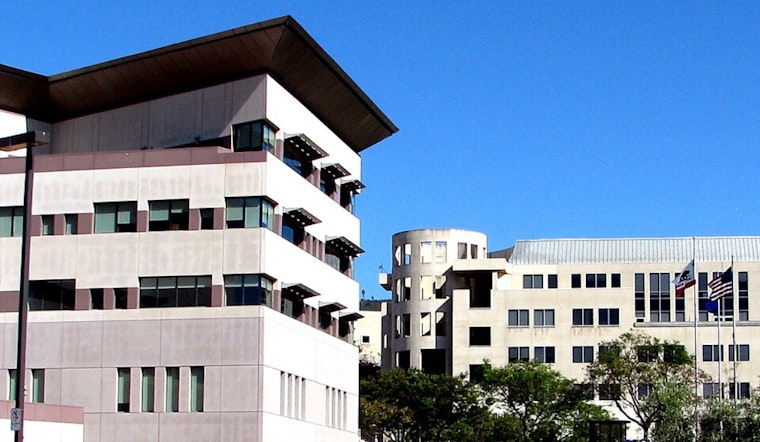
San Diego’s campuses are in a full-on sprint to get students ready for a world where artificial intelligence quietly shows up in nearly every job description. From La Jolla to Chula Vista, colleges are rolling out new certificates, degrees, and hands‑on labs while students, professors, and local employers juggle genuine excitement about AI with some very real nerves about what it could do to the job market.
Google-Backed Cyber Clinic Targets A Big Skills Gap
The San Diego Cyber Clinic was launched after receiving a $1 million award from Google.org and now pairs students with real clients to bolster local organizations’ digital defenses. According to BusinessWire, the clinic is led by the Cyber Center of Excellence along with Cal State San Marcos, National University, and San Diego State University. When the clinic was announced, regional leaders pointed to roughly 5,000 open cybersecurity positions, a number that helps explain why campuses are leaning heavily into hands-on cyber training.
Supercomputers Move From Back Rooms To Classrooms
Behind the scenes, the tech infrastructure is finally catching up. UC San Diego’s data-science and machine-learning platform has supported as many as 60 courses and nearly 6,000 students per quarter, giving instructors in biology, engineering, and even the humanities access to shared AI computing resources. That capacity is detailed in the CENIC retreat materials, which describe the region’s instructional resources. The once-exclusive island of high-end GPUs and Jupyter notebooks, which used to serve only Ph.D. researchers, has turned into a shared classroom workhorse across disciplines.
Degrees, Certificates, And Employer Heat
Colleges are not just wiring classrooms; they are retooling transcripts. The University of San Diego now offers a fully online Master of Science in Applied Artificial Intelligence, and community colleges and state campuses are building short certificates and minors that local employers say they want. The clinic and related programs on campus reflect pressure from industry voices, including a corporate adviser who told local reporters that engineering and computer‑science graduates should have visible AI coursework on their transcripts, as reported by The San Diego Union-Tribune. Campus leaders argue that those credentials can turn time in labs and online courses into paying jobs in relatively short order.
Students And Workers Feel The Jitters
Not everyone is sold on the future of AI. A national survey from the Pew Research Center found that about half of employed adults said they were more worried than hopeful about AI’s growing role at work. According to the Pew Research Center, workers across various sectors expressed concern about long-term job prospects, even as some students view AI skills as a potential career boost. Locally, college leaders are trying to walk that tightrope. “AI is not going to take away your job; it will be done by the people who know how to use it,” one San Diego college administrator told The San Diego Union-Tribune, summing up the new unofficial slogan on many campuses.
Labs That Look A Lot Like The Pros
Some of the most sought‑after experiences are happening far from traditional lecture halls. Point Loma Nazarene University’s biomechanics lab, for instance, utilizes markerless and marker-based motion-capture systems, the same class of tools that have helped the San Diego Padres analyze pitchers. The setup demonstrates how campus labs can directly address local employer needs, as reported by SportsBusiness Journal. In its first year, officials at San Diego State University say the San Diego Cyber Clinic has already worked with dozens of small businesses and trained scores of students, turning classroom know‑how into something much closer to day‑one job skills.
Equity, Access, And The Next Phase
There is also a growing concern that access to AI tools may become increasingly divided along income lines. To push back on that possibility, San Diego State University, UC San Diego, and the San Diego Community College District are part of an equity‑focused alliance that shares tools and best practices, a program described by Inside Higher Ed. Administrators say that pooling resources and standardizing responsible AI training will be crucial if the region’s talent pipeline is to serve both fast-moving tech firms and public-sector employers, rather than leaving some students behind.
The result is a San Diego higher‑ed scene that feels part classroom, part startup hub, and part public‑service lab. The outlook leans optimistic about future jobs, but no one is pretending the transition will be painless. Expect more certificates, more shared infrastructure, and more campus‑employer partnerships as local colleges try to turn a nervous student body into a confident, AI‑literate workforce.





