

























































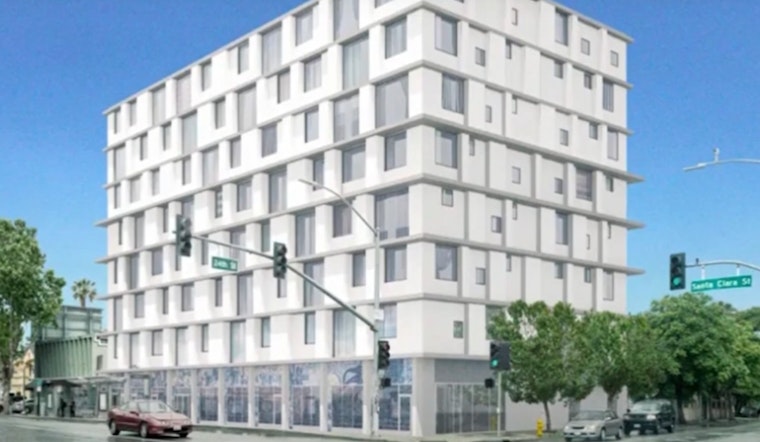
The march toward affordable housing in San José took a concrete step forward with the groundbreaking of Algarve Apartments, a development poised to deliver 90 essential homes in the community, including 46 units earmarked for permanent supportive housing aimed at low-income individuals. This significant project, highlighted by the California Department of Toxic Substances Control (DTSC), is a testament to the constructive collaboration among state agencies, local governments, and nonprofits to repurpose a once-contaminated site.
Championing the transformative effect of state funds on previously unusable land DTSC Director Katherine Butler lauded the creation of the Algarve Apartments as a harbinger for safe, stable living spaces, “Algarve Apartments shows how state investment can help transform once-contaminated properties into safe, vibrant places to live,” Butler stated, and through initiatives such as the Equitable Community Revitalization Grant program, which injected $3 million into the project, contaminated soil was excavated and groundwater treated ensuring the proper mitigation of toxic materials like perchloroethylene, left behind by a former dry-cleaning operation, as per the DTSC.
Moreover, the financial bedrock of Algarve Apartments rests on over $40 million in Project HomeKey+ funds and an additional $9 million from the No Place Like Home program, fortifying the project’s goal to tackle homelessness and housing scarcity head-on, as noted by Abode CEO Vivian Wan who said, per DTSC, “The solution to homelessness is a home, which makes affordable housing sites like Algarve Apartments so essential to our mission.” Enrollment in the site’s residences is designated for individuals earning about 15–30 percent of the area median income, reflecting a priority on those in dire need of affordable housing options.





