

























































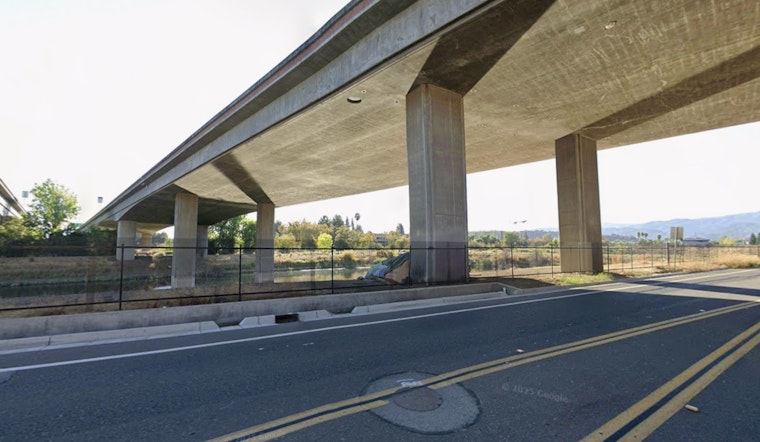
San Jose just cut the ribbon on its latest tiny-home village, a 136-bed community on Cherry Avenue along the Guadalupe River, planted right next to a recently cleared encampment under Highway 85. City leaders are pitching it as one more fast-build option in a broader push to get people indoors while longer-term affordable housing slowly works its way through planning and construction.
“In just 10 months, we’ve opened eleven communities like this one, that are helping people get off the streets and get on with their lives,” Mayor Matt Mahan told the crowd at Monday’s event. City officials say they collected names and contact information for roughly 40 people who had been camping along the riverbank. As reported by KQED, the Cherry Avenue site sits on land owned by the Santa Clara Valley Water District and, under city policy, people experiencing homelessness near a new interim housing site are given the first shot at moving in.
What Residents Will Find Inside
The detached units are compact but functional, each with a bed and an HVAC system to keep temperatures livable. Separate shared buildings provide bathrooms, laundry facilities, prepared meals and on-site social work services. According to San José Spotlight, the village also includes security, outdoor common areas and partner organizations that work with residents as they try to move into permanent housing.
Funding And Timeline
The Cherry Avenue project got the green light from the city council in 2023 and is backed by a mix of city money, state funding and private philanthropy. Per KQED, developers and donors including John Sobrato and Good Samaritan Hospital helped finance the effort, the city broke ground on the site in January, and residents are expected to start moving in by the end of the month.
Landowner Rules And Neighborhood Response
The 2.5-acre village sits on Valley Water property that San José is leasing through Dec. 31, 2035. The agency has created a no-encampment zone in the area that allows enforcement against people who camp on its land. As detailed by San José Spotlight, the project cost about $18.3 million to build, and neighbors in the Erikson area have been organizing welcome baskets and publicly backing the village at city council meetings.
What Comes Next
City officials describe the Cherry Avenue village as one piece of a rapid buildout of interim housing aimed at shrinking tent encampments along creeks and rivers. Advocates and policymakers, though, keep pointing out that the long game still hinges on affordable housing production and stable funding to keep these sites running. Many people who were living along the riverbank told advocates they were relieved to move indoors, yet questions about staffing levels, on-site services and whether the tiny-home model can scale up remain at the center of San José’s homelessness strategy.





