

























































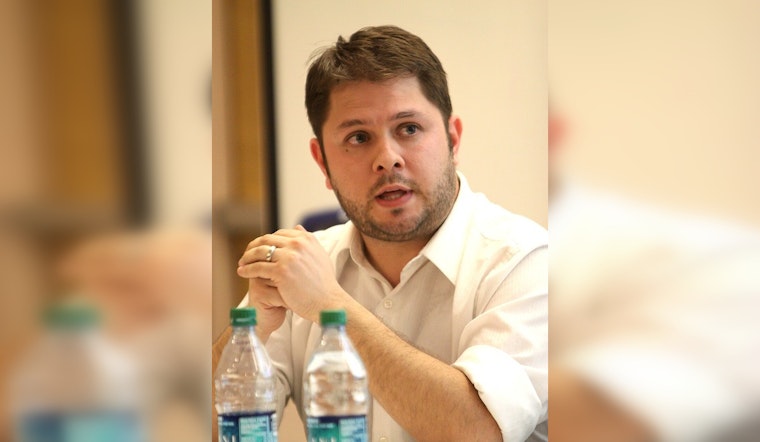
During a recent Senate Energy and Natural Resources Committee hearing, Arizona's Senator Ruben Gallego took the Bureau of Land Management (BLM) to task over the dire staffing situation, affecting the stewardship of millions of acres of public land, including areas rich in cultural heritage and renewable energy potential. Gallego, as the Democratic senator from Arizona, didn't mince words in pointing out the risk that the staffing crisis poses to the management of Arizona's public lands, citing a significant decrease in BLM staff this year, referencing information obtained by his official website.
"We’ll get to some of the Arizona questions specifically, but first I want to point out an underlying challenge that impacts every potential use of public lands, which is staffing," Senator Gallego expressed with concern, explaining how the staffing gaps hobbled the approval process for land use and urged the Administration to reconsider its approach; his words are a reflection of the figure noted on his website that 15 to 20 percent of the BLM staff have seen the door either through firings or coerced retirements not to mention layoff plans that are currently pending.
Arizona, host to 12.1 million surface acres and over 17 million subsurface acres managed by the BLM, finds itself at a juncture with environmental concerns and tribal rights at the forefront. The state's landscapes encompass not only a treasure of sacred tribal sites and a swath of the Arizona scenic trail, but also bear witness to an expanse of mining claims that exceeds 55,000, as outlined on Senator Gallego's website.
Also under scrutiny was the strategic approach to renewable energy, with Senator Gallego inquiring into the Restoration Design Energy Project which championed renewable energy development on lands scarred by mining ventures; Jim Kenna, a former Arizona State Director for the BLM, backed the strategy saying, "There is no substitute for the on-the-ground knowledge and the on-the-ground information when you are doing land-use planning," noting the uniqueness of each project and area and suggesting that decommissioned mines with existing power infrastructure could serve as prime spots for renewable energy initiatives, in statements found on the senator's site.
Moreover, Gallego reinforced the imperative of involving Arizona's 22 federally recognized tribes in the conversation around these projects, recognizing their sovereignty and the cultural significance of lands under the purview of energy project plans. The dialogue underscores a broader national discussion on how to balance the conservation of public lands with the need for renewable energy and the respect for tribal rights, themes that are increasingly urgent in a world straining under the weight of climate-related challenges.





