

























































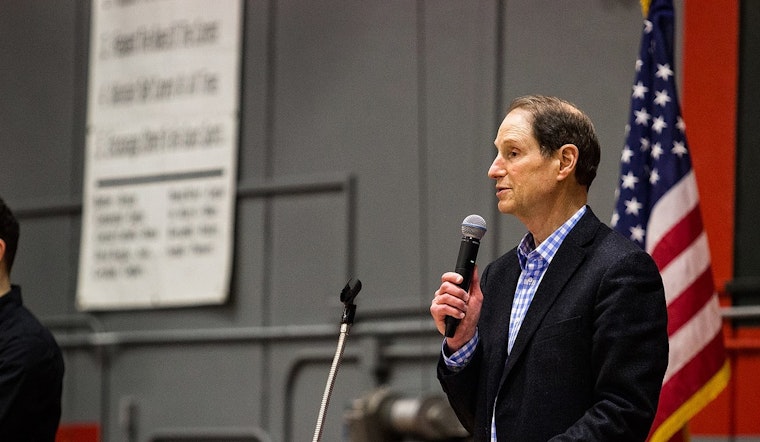
In a bipartisan effort, U.S. Senators Ron Wyden and Jeff Merkley are calling attention to the fact that the Trump administration has not yet released $4 billion in appropriated funds meant for the Low-Income Home Energy Assistance Program (LIHEAP), which is necessary to aid low-income American families in managing their energy costs. According to a report on Wyden's website, these funds are critical as home heating expenses are projected to increase by nearly 8 percent from previous years.
Despite lawmakers urging the U.S. Department of Health and Human Services (HHS) Secretary Robert F. Kennedy Jr. to distribute the LIHEAP financing promptly, the situation remains static; Oregon alone last year depended on $41.7 million from LIHEAP to help 114,000 residents with their heating bills, and as the Congress works to finalize the Fiscal Year 2026 appropriations bill for HHS, the senators are advocating for the immediate release of the highest amount of LIHEAP funding, according to the letter formed by U.S. Senators Jack Reed, Susan Collins, and Lisa Murkowski, and signed by numerous others, both Democrats and Republicans as was declared on Wyden's Senate page.
Eligibility for the LIHEAP assistance is determined based on income, family size, and the availability of resources, with most states requiring a household income at either below 150% of the federal poverty guideline or 60% of the state median income, a crucial measure that enables financial relief for those most in need.
The letter, which addresses the urgency of the situation, garnered significant bipartisan support, including signatures from U.S. Senators Richard Blumenthal, Lisa Blunt Rochester, Cory Booker, and many others, showcasing a united front in the battle to ensure these funds reach citizens struggling to meet their basic needs this coming winter amid rising heating costs. With LIHEAP funds standing by unused, one cannot ignore the immediate relief they could provide to many; given the bipartisan recognition of this issue, it seems to be a matter of when, not if, these resources will be allowed to serve their intended purpose as a crucial support system for low-income families, which is reported by Wyden's Senate page.





.jpg)